Mixed forests are insurance against climate change – researchers urge bolder tree‑species choices
Across Europe, forests are struggling with drought, pests and rapid climate shifts. Researchers say that diversifying tree species is one of the most effective ways to strengthen forest resilience. Yet in many countries, including Finland, spruce still dominates planting decisions.
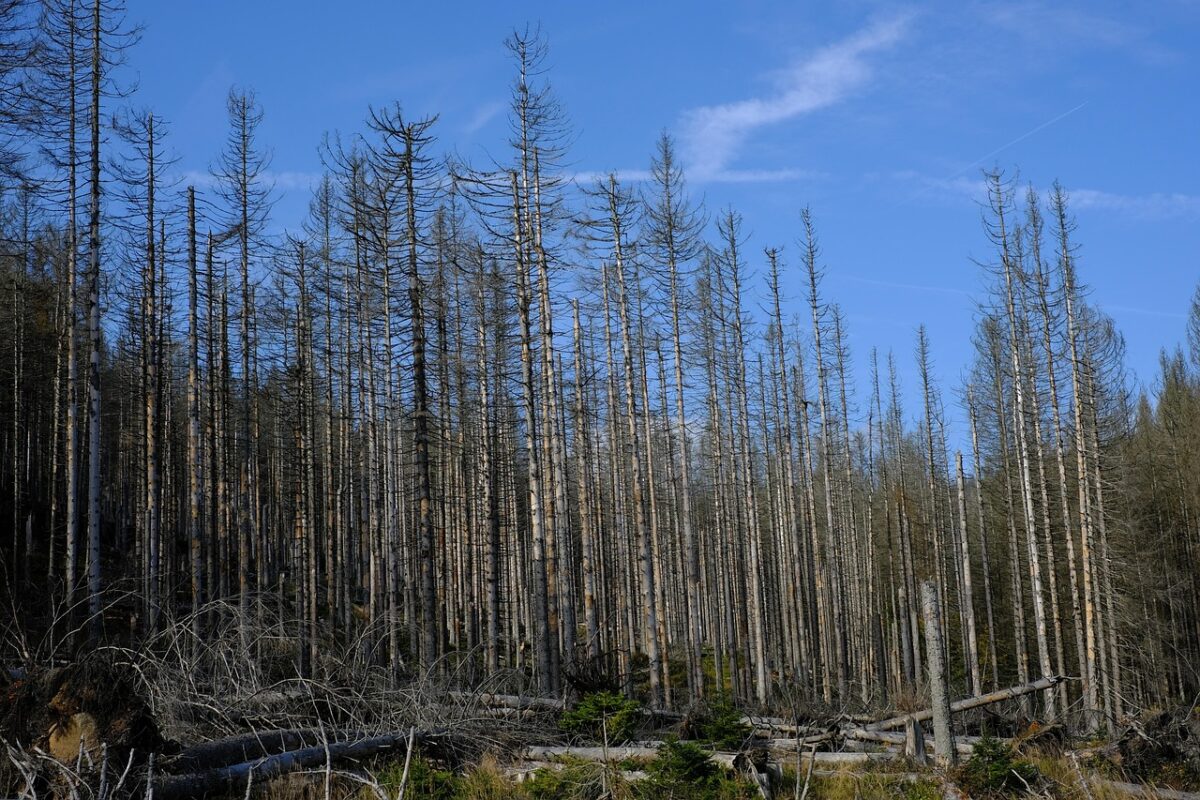
Tree‑species diversity supports biodiversity, productivity and long‑term forest health. Single‑species stands are far more vulnerable to pests and diseases. The vast spruce forests of Central Europe, devastated by the spruce bark beetle, are a stark example, says Katri Himanen, Senior Researcher at the Natural Resources Institute Finland (Luke).
Germany still has extensive single‑species forests, a legacy of past forestry practices. Climate change has made these uniform spruce stands increasingly fragile. Prolonged drought and warmer temperatures have created ideal conditions for destructive insects. In 2020, more than 40 million cubic metres of damaged forest were felled — a record amount. The crisis has pushed Germany towards more diverse forests.
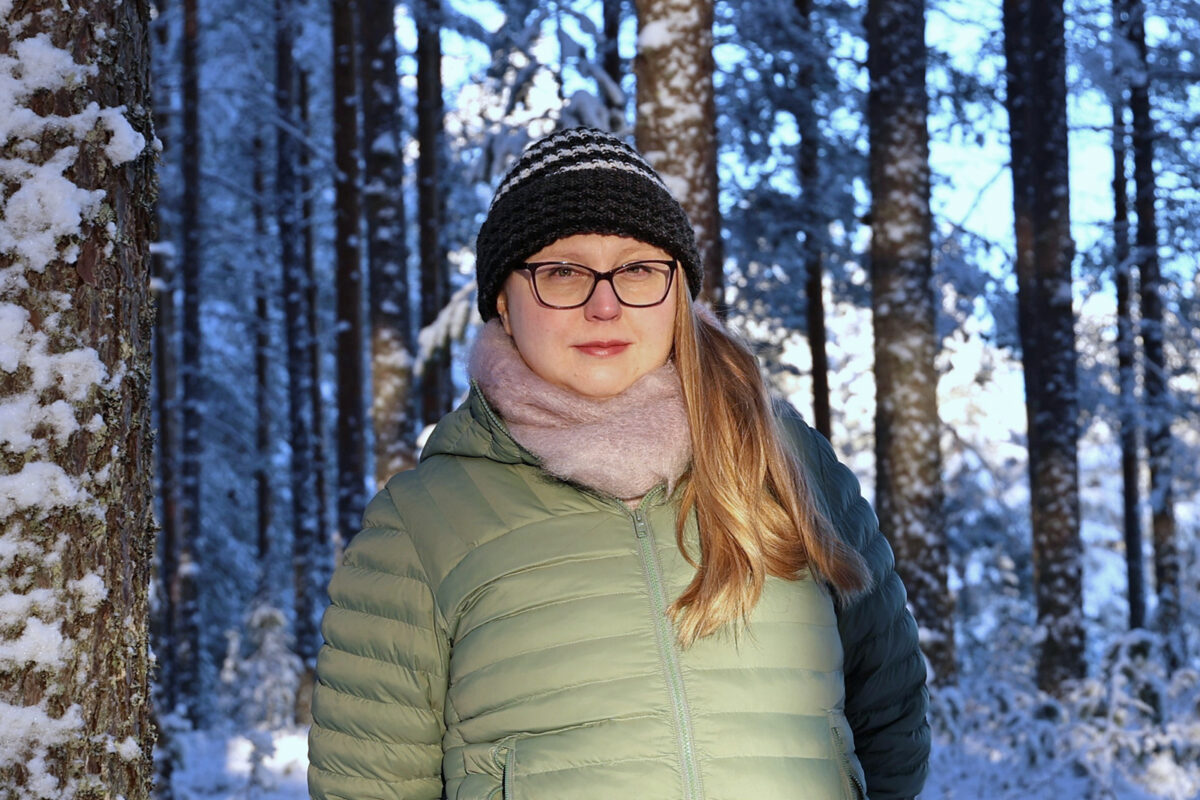
“In Finland, the risk is also growing as the climate warms, although we have few true single‑species plantations. Naturally occurring species are usually allowed to grow among planted trees, which makes Finnish forests more diverse than the main species alone would suggest,” Himanen says.
More than four‑fifths of Finnish forest trees originate naturally. Himanen sees diversification as a way to manage uncertainty. “With climate change, we no longer have risk‑free options. A lack of diversity increases the risk of forest damage. But expanding the use of rarer species is economically challenging.”
Spruce dominance increases risks
Spruce became more common in Finnish forestry in the 2000s. In many areas, it covered more than 70 per cent of planted forests. Its reliability and lower risk of elk damage supported this trend.
But spruce dominance also increases financial risks. Climate change is expected to bring more drought to Finland, and drought is especially harmful to spruce. A warmer climate also favours root rot and several insect pests.
Himanen stresses that spruce should not be abandoned. Still, favouring it creates two problems. On poor soils, the risk of damage rises. On fertile soils, spruce outcompetes other species and reduces biodiversity.
“On barren sites, there are few alternatives. Noble broadleaves do not thrive there. In these areas, extensive spruce cultivation mainly increases the risk of damage, and pine is the main option,” she says.
The situation changes on nutrient‑rich soils. “In southern Finland, several other species — such as oak — would be suitable. Planting spruce everywhere takes space from rarer species that support biodiversity.”
Samuli Junttila, Associate Professor at the University of Helsinki, also stresses the need for more diverse forests. A broader mix of species improves resilience and helps forests adapt to changing conditions. It also spreads financial risk.
“Huge numbers of spruce trees are still being planted in Finland, even though the outlook for spruce is not very positive. Increasing diversity is one of the most important ways to strengthen forest resilience,” Junttila says told Forest.fi.
Mixed forests strengthen resilience
A lack of tree‑species diversity weakens entire forest ecosystems. Each tree species supports dozens or even hundreds of associated species.
“When the occurrence of a rarer tree species is supported, the species linked to it also benefit,” Himanen notes.
Interest in non‑native species has grown in Finland. These species offer traits that domestic species may lack, such as better drought tolerance or faster growth.
Himanen says ecological risks must be taken seriously, but fears of uncontrolled spread are often exaggerated in Finland. Seed production is limited, and non‑native species would mainly replace pine and spruce.
Birch strengthens its position
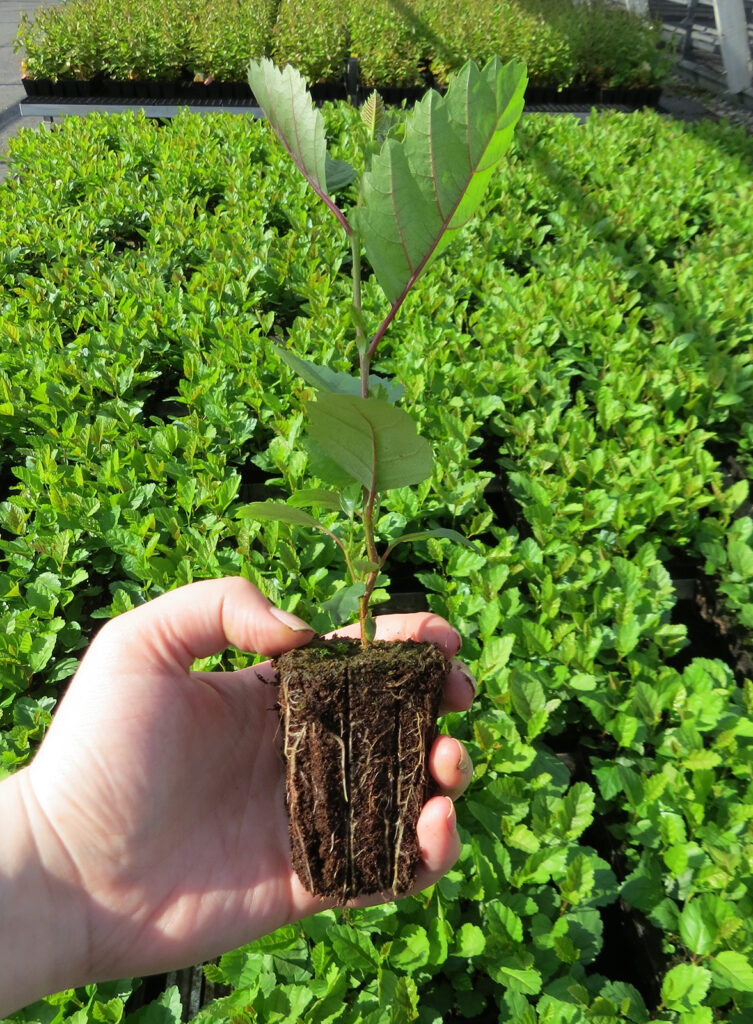
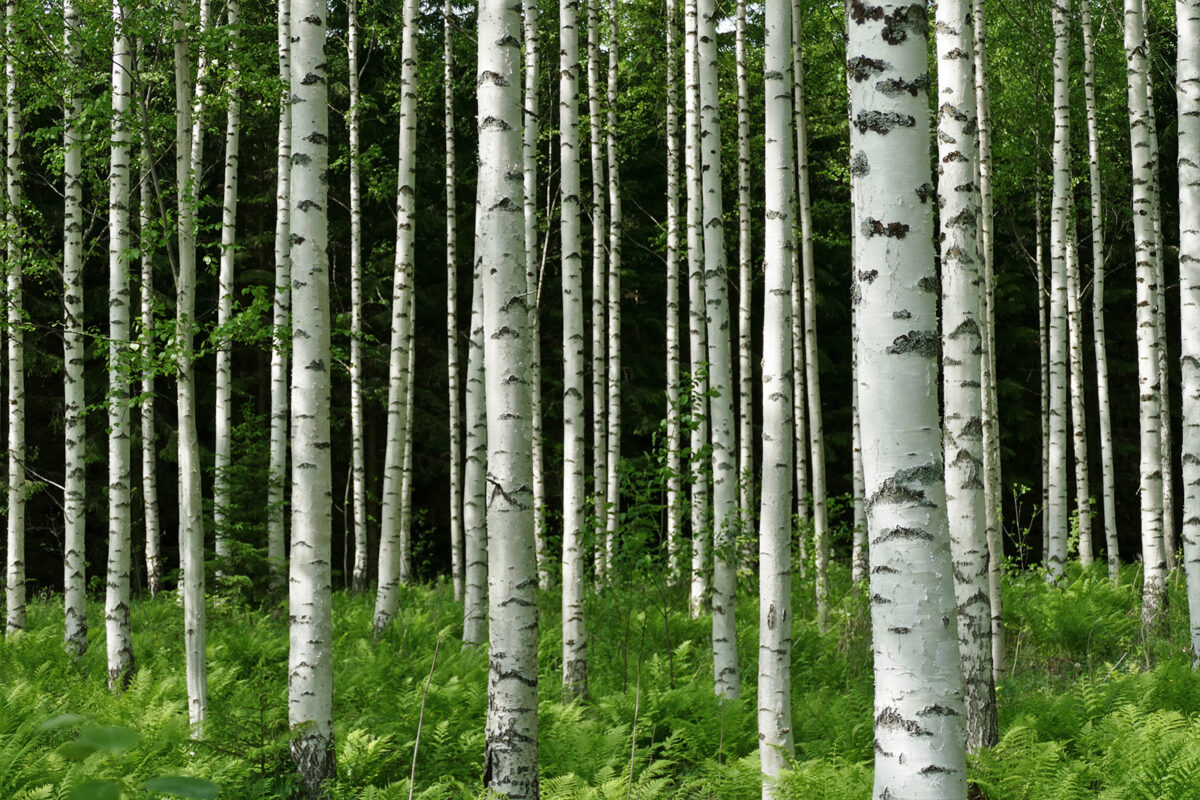
Birch cultivation has increased rapidly. “Thanks to forest breeding, the growth and quality of silver birch have improved significantly,” Himanen says.
The rise of birch has been supported by the end of imports from Russia, high stumpage prices and declining elk populations. Birch also has a short rotation period, reducing long‑term risks.
Rainer Bodman, CEO of Mellanå Plant, says species choices are clearly shifting in the Finnish seedling industry. Spruce remains the most common species sold, but pine and birch are gaining ground. Climate risks and earlier planting of spruce on unsuitable sites are driving the change.
“Spruce has been planted on pine sites for fear of elk damage. It grows moderately well for 15–20 years, but then growth slows. Now pine is being returned to more suitable sites, and mixed plantings are becoming more common,” Bodman says.
From birch fear to birch boom
In Finland, birch’s status has changed dramatically since the 1960s and 1970s, when it was avoided due to perceived risks and lower economic value. Today, improved birch grows quickly and produces well. In southern Finland, first thinnings can be carried out in stands under 20 years old.
According to Bodman, birch is now seen as a viable option for strengthening biodiversity and climate resilience. Still, final species choices depend on what the forest industry buys and processes. Market demand shapes popularity as much as site conditions.
Seed selection determines the future of forests
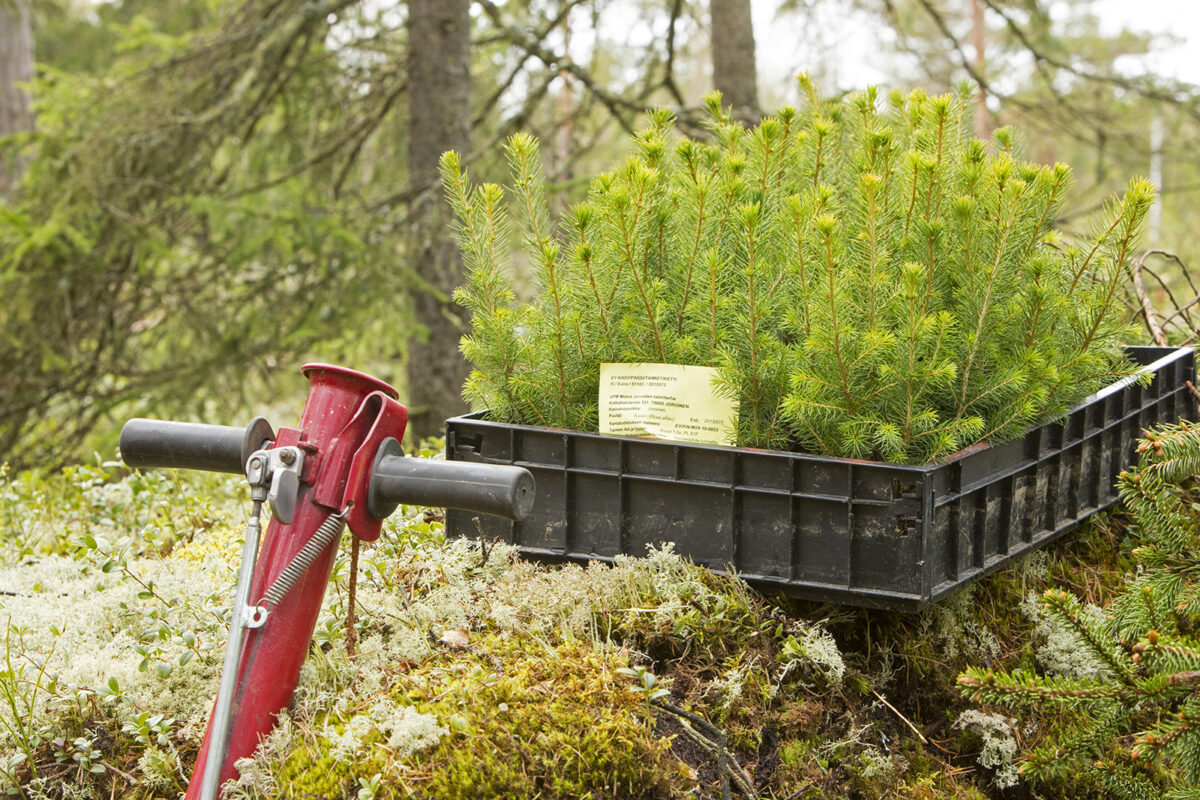
The future growth and carbon sequestration of forests is largely determined in nurseries. According to Bodman, improved pine seeds can produce up to 25 per cent more volume growth. For birch, even conservative estimates exceed 30 per cent.
“Breeding allows us to select clones that are more resistant to diseases, pests, drought and frost — the very factors intensified by climate change,” Bodman says.
Experts agree that the future of forests depends on how well forest management adapts to a changing climate. Climate change challenges Finnish forestry, but it also opens opportunities to renew species choices and strengthen diversity.
Junttila stresses in Forest.fi the need for bolder decisions. According to Junttila, understanding the effects of tree mortality on both nature and society is key to shaping the forests of the future.
“We need bold decisions on which species we plant today, along with increased investment in research and education—especially in monitoring forest health and biodiversity. The forests of tomorrow are being planted today, and we can directly influence how resilient they will be to climate change,” Junttila told Forest.fi.