The Finnish baby box: Where social policy meets sustainable innovation
In a country where forests shape both the economy and national identity, even a social welfare programme like the maternity package has evolved to reflect the core principles of the bioeconomy — circularity, sustainability and climate neutrality.
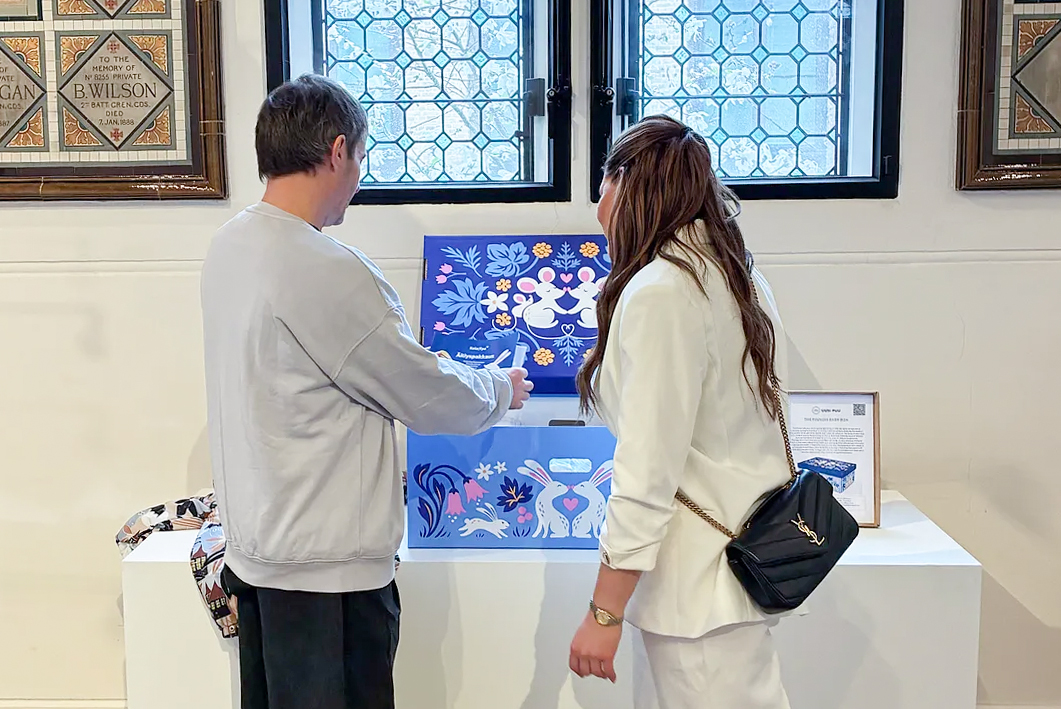
Finland’s maternity package, commonly referred to as the Finnish Baby Box, is more than a collection of infant care essentials. It is a design‑led public health intervention, a symbol of equality, and, increasingly, a platform for sustainable innovation.
Introduced in 1937, when infant mortality was high and birth rates were falling, Finland’s maternity grant programme was designed to improve maternal and newborn health while easing financial pressure on families. The first grants were issued in 1938 and were initially available only to low‑income mothers.
“The original idea behind the maternity grant was to get mothers and babies to go to health clinics and get healthcare, which would help reduce things like infant mortality,” explains Coordinator Veera Petäjä at the Social Insurance Institute of Finland (Kela). “At first, this option was only available to low‑income mothers, but since 1949, it has been available to all mothers.”
Since its introduction, Finland’s infant mortality rate has dropped sharply—from roughly 65 deaths per 1,000 live births to about 2 per 1,000, one of the lowest rates in the world.
Nearly nine decades later, the baby box remains a cornerstone of Finnish social policy, ensuring that every child starts life with the same basic provisions.
A shift toward ecological design
Since the 2010s, sustainability has become an increasingly central part of the maternity package. Each year, the contents are updated with a stronger focus on durability, safety and environmental performance.
At the centre of this evolution is the cartonboard box itself.
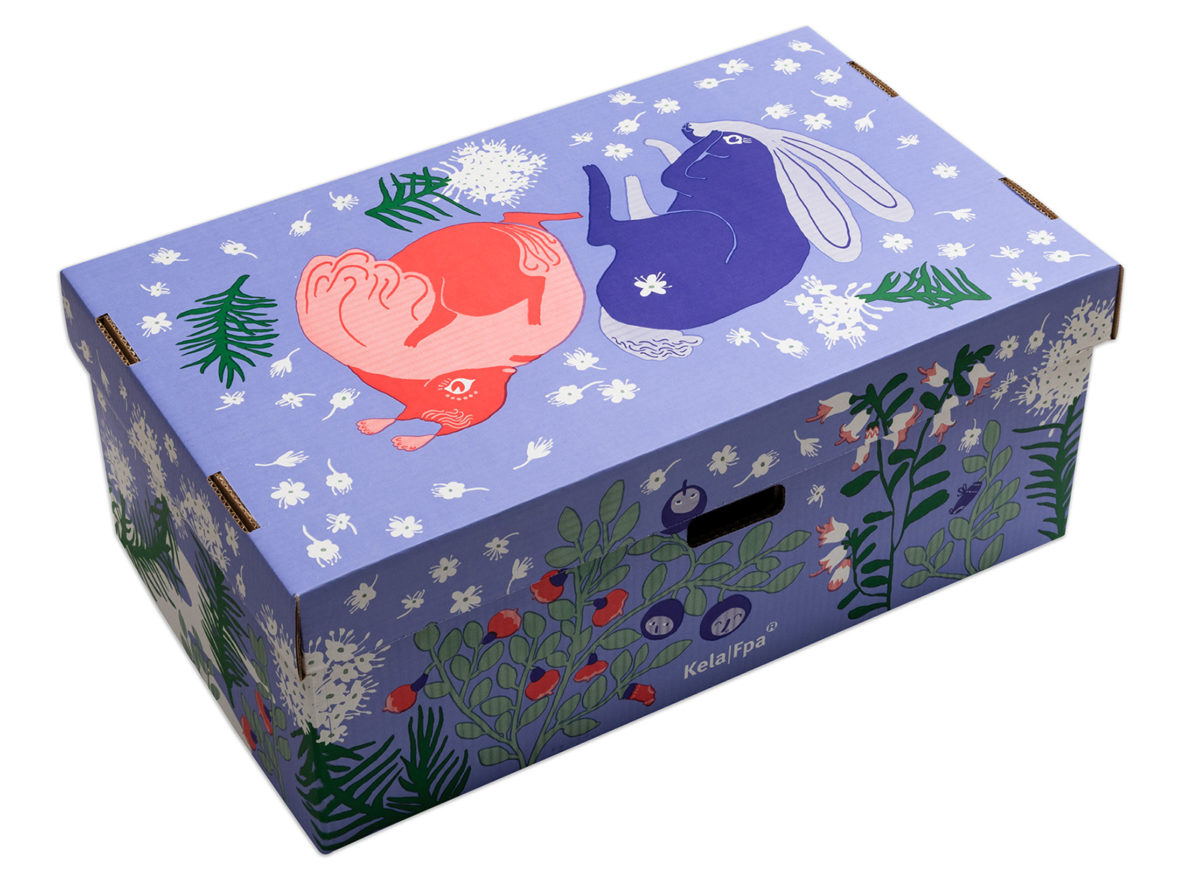
Made from renewable wood fibres and developed by the Finnish renewable materials company Stora Enso, the box is fully recyclable and can typically be recycled five to seven times. This supports circular material flows and reduces reliance on fossil‑based alternatives. After use, the box can be flattened and recycled through municipal collection systems.
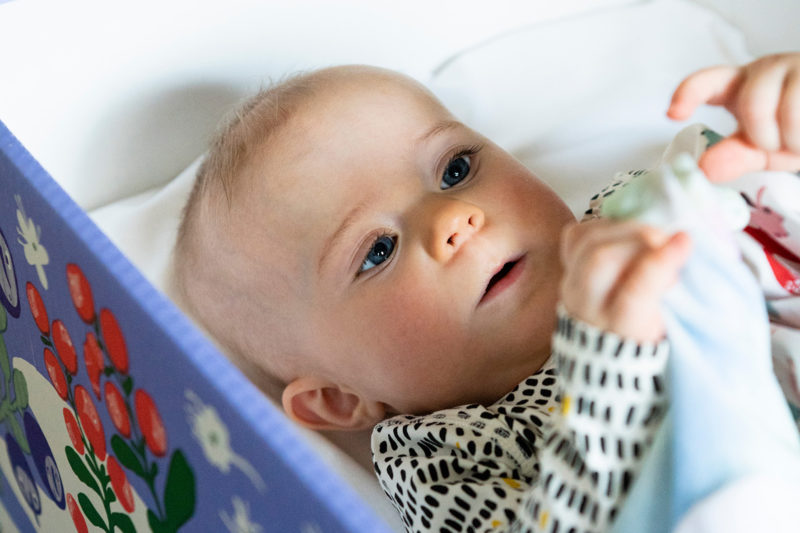
The box was intentionally designed to be multifunctional. For many families, it serves as a newborn’s first bed. Once it reaches the end of its life, recycling is simple thanks to its wood‑based materials. Its lightweight yet durable construction dates back to the 1960s, when a multipurpose corrugated version was introduced. Since then, advances in fibre quality and printing have strengthened the box and enhanced its appearance without compromising recyclability.
“As a rule, we produce both the paperboard and the box — including printing — at the packaging facility of our Lahti mill. However, on a few occasions, the contract for actually manufacturing the box has gone to another company,” says Tuomas Aspiala, commercial director of Stora Enso’s Lahti mill’s packaging board division.
For many Finns, the box and its contents also carry emotional value, with patterns and textiles often evoking memories across generations.
“The design of the box is determined by the client, the Social Insurance Institute of Finland,” Aspiala continues.
Sustainability as a public commitment
In Finland, Kela distributes the maternity package to about 40,000 families each year. This makes it a large public procurement programme where material choices can have a significant environmental impact.
Kela’s maternity package isn’t a commercial product and can’t be bought; it’s a tax‑free benefit for expecting parents. Families may, however, choose a cash payment instead, which was recently raised from €170 to €210.
An increasing share of parents now opt for the cash benefit. Kela reports that first‑time parents usually choose the package, while families with older children more often take the money.
“This is a good option if parents want to buy the products themselves,” says Petäjä. “If families can get clothes from friends or relatives, the money can be used for other important items, such as a baby car seat.”
This flexibility has also encouraged community‑based solutions. In Oulu, the charity Second Hand Dom collects and distributes maternity packages made entirely from donated second‑hand items. The initiative supports low‑income families by allowing them to receive the Kela maternity payment while also receiving a donated package of essentials similar to the original baby box.
Each box includes gently used baby clothes and other necessities that have been cleaned, inspected and repackaged to ensure quality and safety. Donations come from the local community, often coordinated through the organisation’s Facebook page.
Jenni‑Maria Kotila from Oulu was able to buy a car seat for her newborn after opting for a recycled maternity package instead of a new one, the newspaper Kaleva reported. “As a student without a job, I don’t have a lot of money, so it made more sense to get used clothes and everything else I needed secondhand,” she explained in the Kaleva article.
A platform for circular thinking
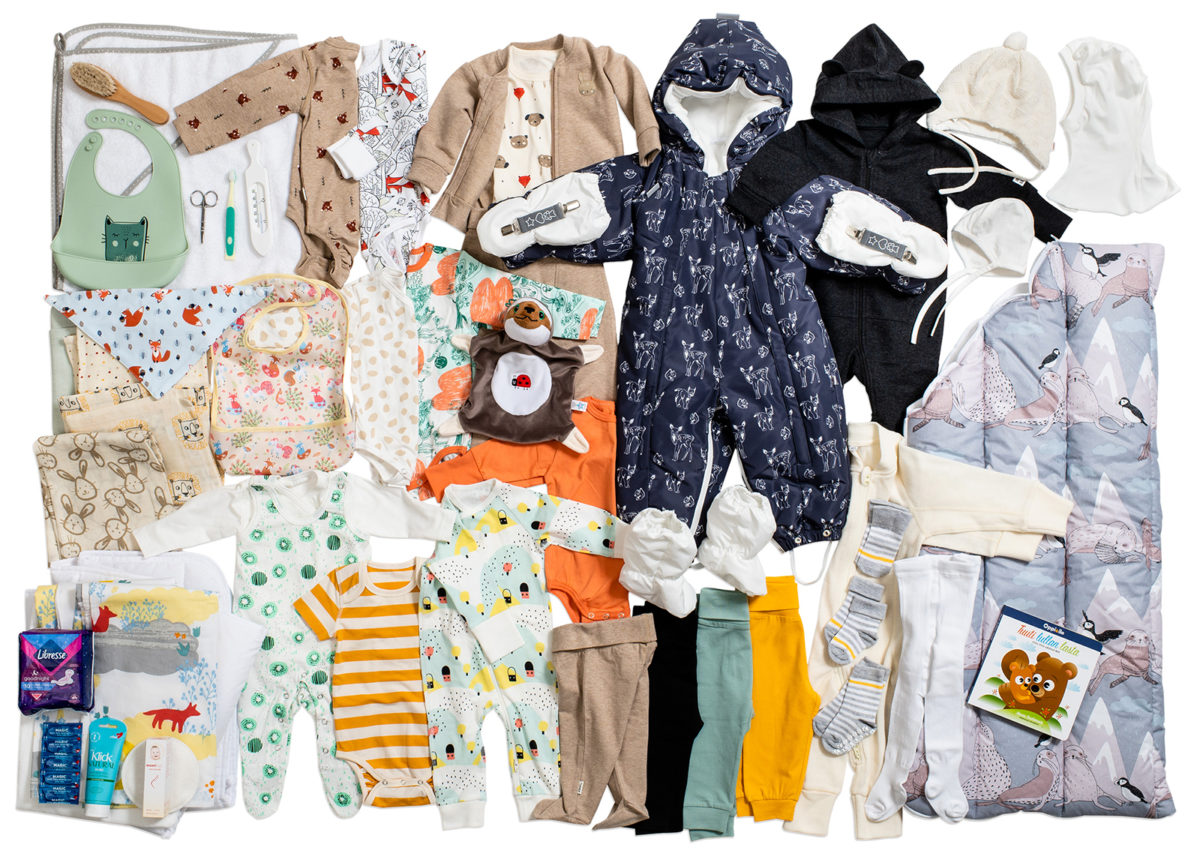
The Finnish maternity package typically includes around 40 to 50 items, ranging from clothing to basic care products. While the core selection remains largely unchanged, the materials used and product lifecycles are regularly reviewed and updated.
The cardboard box itself remains the clearest example of circular thinking: a renewable raw material transformed into a multifunctional object, reused in the home and eventually returned to the fibre cycle.
The Finnish Baby Box has inspired similar programmes in roughly 60 countries. While contents vary, the principle of universal access to essential newborn supplies and support for families remains the same.
Scotland launched its own Baby Box programme in 2017 and has since distributed around 360,000 packages, including 39,000 last year. With roughly 45,000 births annually, nearly 90 percent of Scottish families accepted the package.
Through Scotland’s maternity package, “every child gets the best start in life, regardless of their family circumstances,” says Shirley Anne Somerville, Scotland’s Minister for Social Affairs, as reported by Tehy magazine, a publication for health and social care workers in Finland.
The “Baby Box” idea has since spread internationally, with Finland remaining the original reference point in both history and scale. At the same time, each country’s approach plays an important role in improving early childhood wellbeing. In Canada, several provinces have piloted Baby Box programmes with healthcare providers. New Zealand and South Africa have run smaller projects offering newborn supplies and safe sleeping equipment, while in the United States hospitals and individual states have launched their own donation‑based versions.