Bark beetle damage is changing the rules of forest management
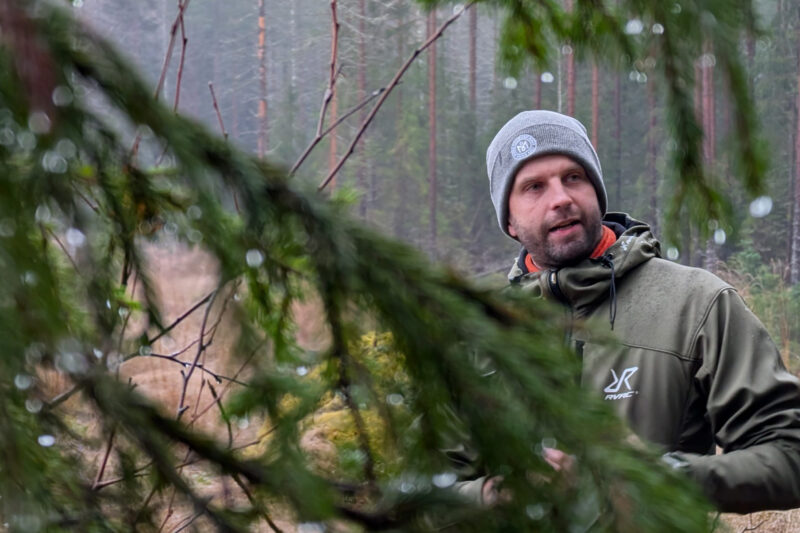
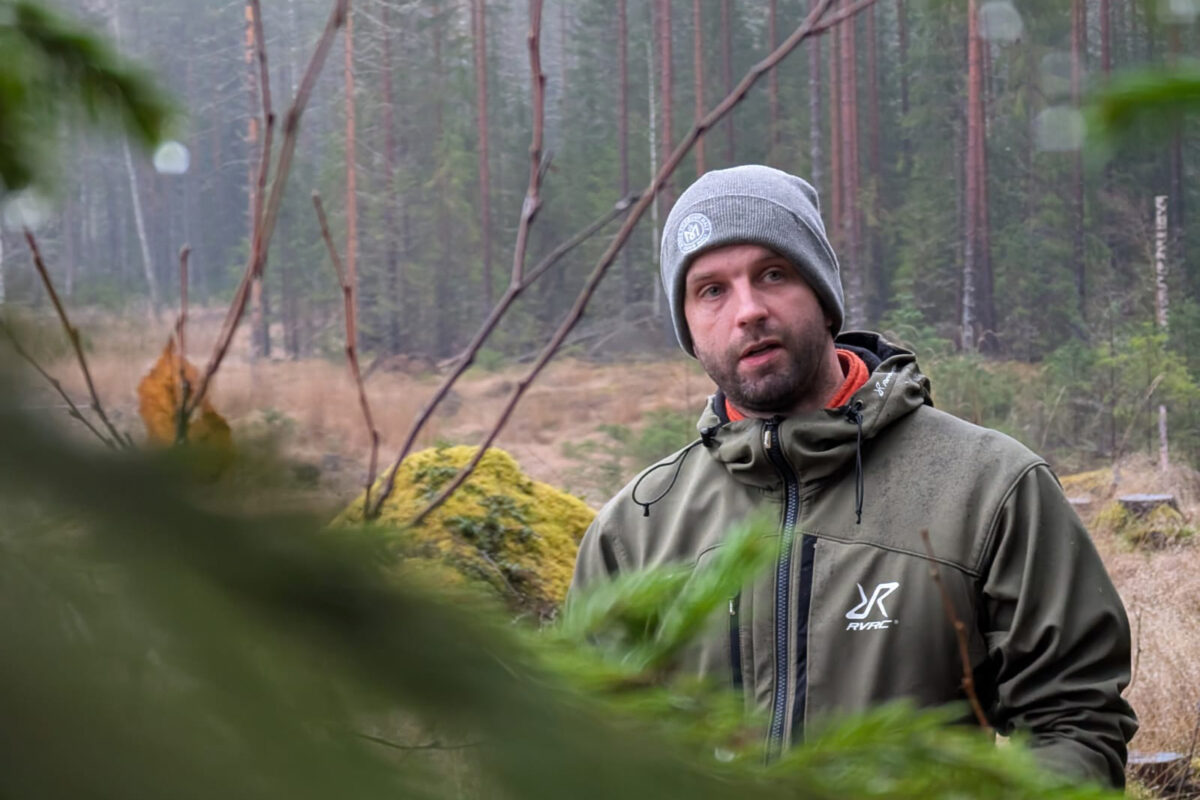
Josper Tigerstedt, a 41-year-old forest owner from Elimäki in southern Finland, knows the impact of bark beetle damage all too well.
Damage caused by the spruce bark beetle (Ips typographus) has rapidly become one of the most significant risks to Norway spruce forests in Europe, reaching as far north as Finland. Warmer temperatures, prolonged heatwaves, drought, and changes in forest age structure have created conditions in which the beetle thrives more easily than ever.
This tiny beetle targets weakened or stressed trees, but when populations grow large enough, it can also kill otherwise healthy spruces.
Forest management has been carried out in Josper Tigerstedt’s family for five generations. The Mustila Arboretum in Kouvola – Finland’s oldest and best-known tree species park – was founded in 1902 by Josper Tigerstedt’s ancestor, Councillor of State A. F. Tigerstedt. While the arboretum itself was handed over to the Mustila Kotikunnas Foundation in 1983, the forests surrounding the arboretum remain under the family’s care. Today, Tigerstedt, together with his father and his father’s cousin, manages 1,800 hectares of forest estate surrounding the arboretum, part of which is protected.
In recent years, combating bark beetle damage has become one of Tigerstedt’s top priorities. Spending plenty of time on foot in his forests, he has seen everything from single affected trees to devastated areas of 1.5–2 hectares.
Early detection makes all the difference
The early signs of bark beetle infestation can be deceptively subtle: while the tree crown may appear healthy, the bark often loosens at the base and reddish powder gathers around the trunk, Tigerstedt notes.
This reddish dust at the foot of a spruce is a clear indication of bark beetle activity. It appears when beetles excavate tunnels beneath the bark and push out fine, brownish-red frass.
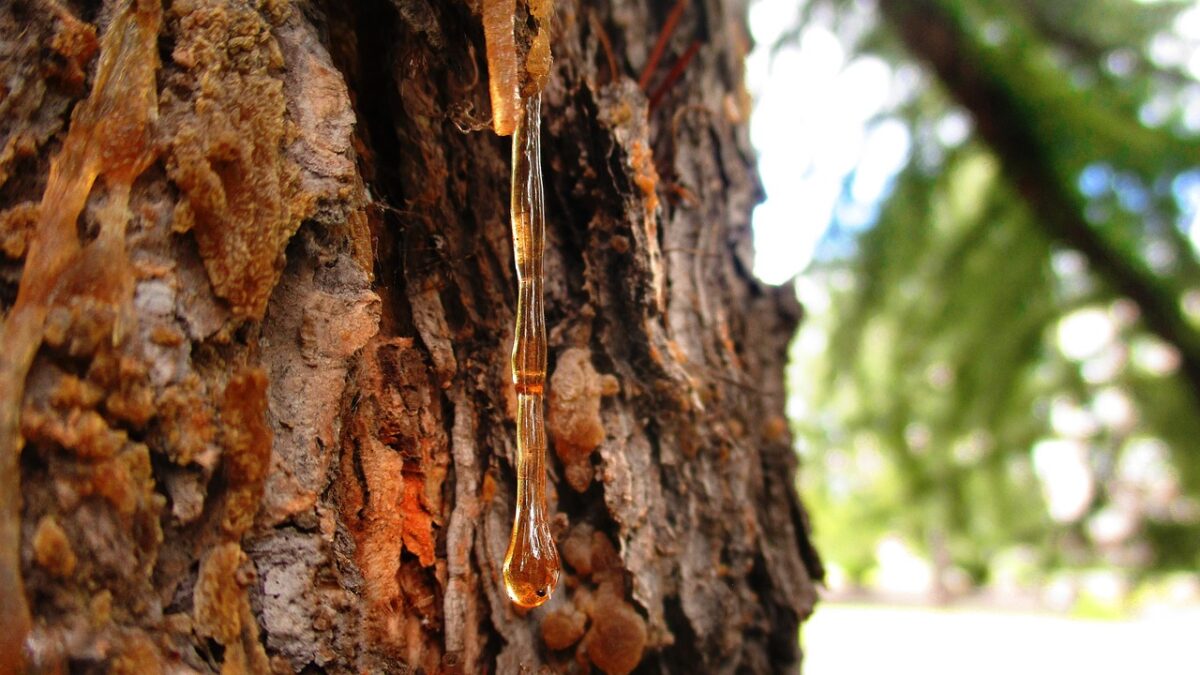
“The streaks of resin visible on a tree’s trunk can also reveal much about a tree’s health,” Tigerstedt says.
When the spruce bark beetle attacks, the tree defends itself by secreting resin. The resin accumulates at the damaged spots on the trunk, and its scent intensifies. At that point, a passer-by in the forest may notice a strong, slightly sweet, resinous smell.
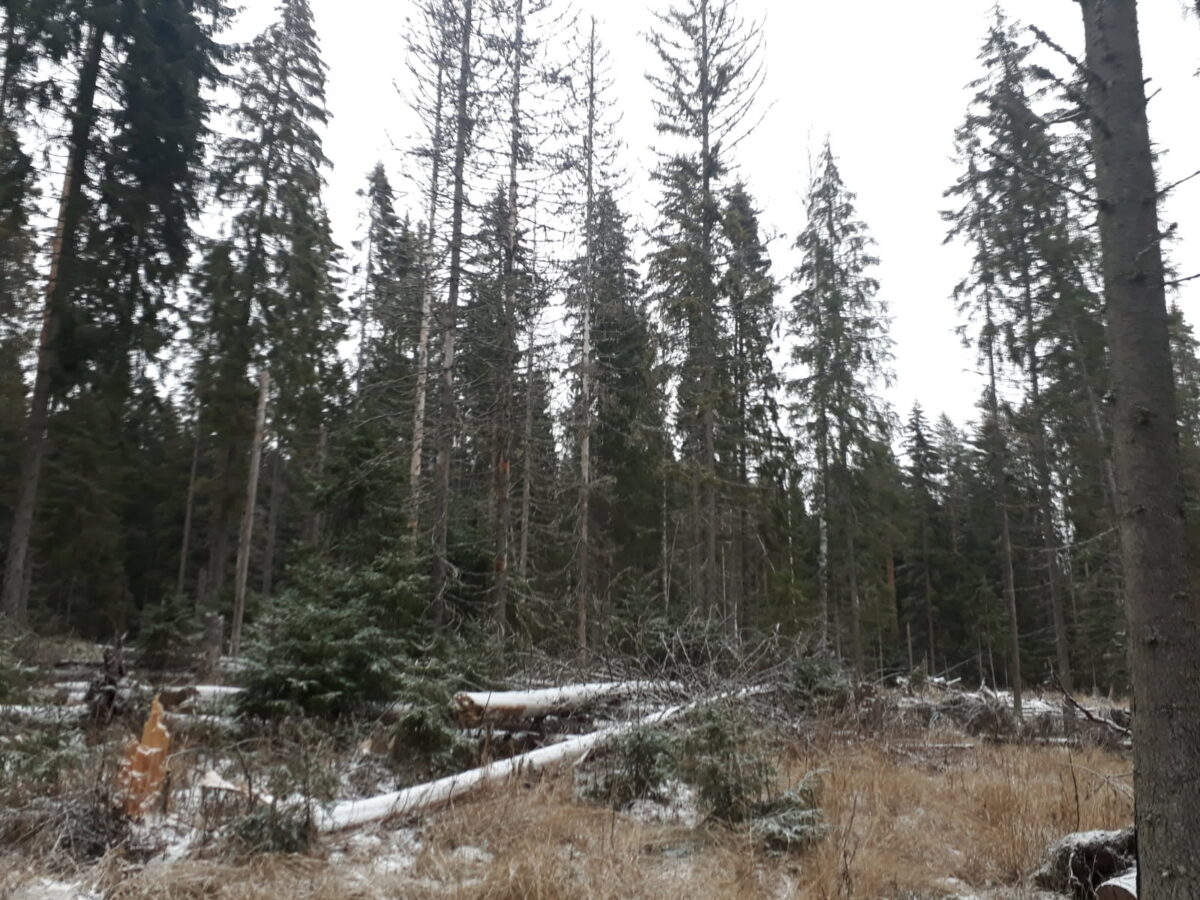
To avoid widespread damage, early detection is crucial. According to Tigerstedt, bark beetles most easily invade trees already weakened by drought, root rot, snow damage, storms, or root injuries. Damage tends to appear on sun-exposed edges of clearings, on windy slopes, and anywhere a fallen tree provides an initial breeding site.
“Truly healthy, vigorous spruces are not easily killed by bark beetles,” he clarifies.
“But once a tree is weakened by drought, root rot, or a heatwave, the risk rises dramatically—just like elderly or chronically ill people are more vulnerable to severe influenza.”
The financial hit can be severe
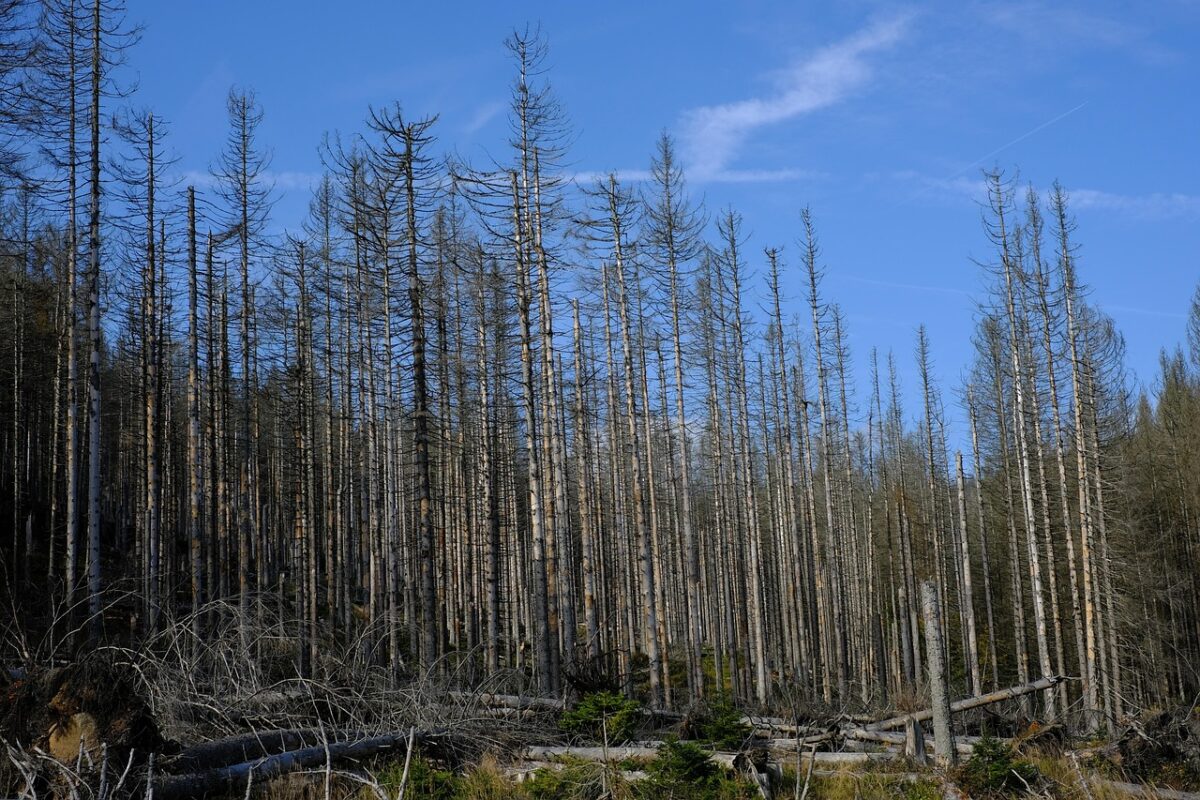
Actively monitoring the condition of one’s forest is financially smart. A spruce suitable for sawlogs may be worth around €80 per cubic metre, but once damaged by bark beetles, it often ends up as low-value energy wood—cutting its price by more than a half.
For many forest owners, bark beetle damage can even unravel decades-long economic plans.
“In the worst case, someone may have waited years to schedule a harvest—perhaps to coincide with retirement—only to have those plans overturned by insect damage,” Tigerstedt warns.
Bark beetle infestations can escalate quickly; only a few weeks may separate the first signs from widespread damage. Even if a problem is detected early, weather conditions or practical constraints may delay action. In Finland. individual trees can be felled without permits, but larger operations require a formal notification—and arranging harvest machinery can take time.
Harvest logistics adds another challenge.
“In summer, you really shouldn’t drive heavy machinery onto spruce stands on soft soil. That can delay action and gives the beetles more time to spread and cause damage,” Tigerstedt explains.
The risk for absentee forest owners
Josper Tigerstedt also highlights a concern echoed by many experts: absentee ownership increases the risk of undetected forest damage. Owners who live far from their properties often visit infrequently—and early signs of bark beetle attacks may go unnoticed.
According to the Natural Resources Institute Finland (Luke), only about 40% of forest owners live near their holdings in Finland, and an increasing share resides in cities. A quarter now live in cities of more than 20,000 residents — a trend pointing toward growing absentee forest property ownership in the Nordic country.
“Someone living hundreds of kilometres away might visit their forest once every couple of years. In that time, a bark beetle infestation can progress very far,” Tigerstedt says.
Because he spends so much time outdoors, Tigerstedt has learned to read subtle changes in his forest. He recommends all forest owners at least one field inspection per growing season—especially in mature spruce forests. Several visits per year are even better.
He also stresses that in Finland responsibility does not end at one’s own property line. Neighbouring forests must be safeguarded as well. Under the Forest Damages Prevention Act (1087/2013), landowners are obliged to remove beetle-infested trees promptly to prevent further spread. In theory, neglect can lead to liability for resulting damage.
“Proving negligence isn’t always easy, but in a small village everyone knows each other. You feel the responsibility to do things properly,” he adds.
Choosing the right tree species for a changing climate
When Tigerstedt reflects on the future of forest ownership, he notes that previous generations had already planted larch and other species, such as birch, in areas where spruce no longer thrives due to root rot or drought. Ultimately, however, industrial demand dictates species choices.
“You need to predict what species the industry will want in 60–70 years. That’s not simple,” he says.
At the same time, he points out that forest management recommendations and certification schemes restrict the cultivation of non-native tree species in Finland, such as Douglas fir. Before regeneration, their use and the suitability of their origin must be justified separately in the forest use notification submitted to the Finnish Forest Centre.
Despite challenges ranging from bark beetles and storms to the uncertainties of climate change, Tigerstedt remains cautiously optimistic.
“Forest has grown in Finland for thousands of years, and it will continue to grow. Growing seasons are getting longer and trees grow faster. Challenges will come, but we can adapt with smart forest management.”
He concludes: “The earlier damage is detected and the more decisively we act, the better the forest—and its value—will be preserved for future generations.”
Read more: fforests-under-siege-climate-change-drives-global-tree-mortality/