Pine bark tackles pharmaceutical pollution in wastewater
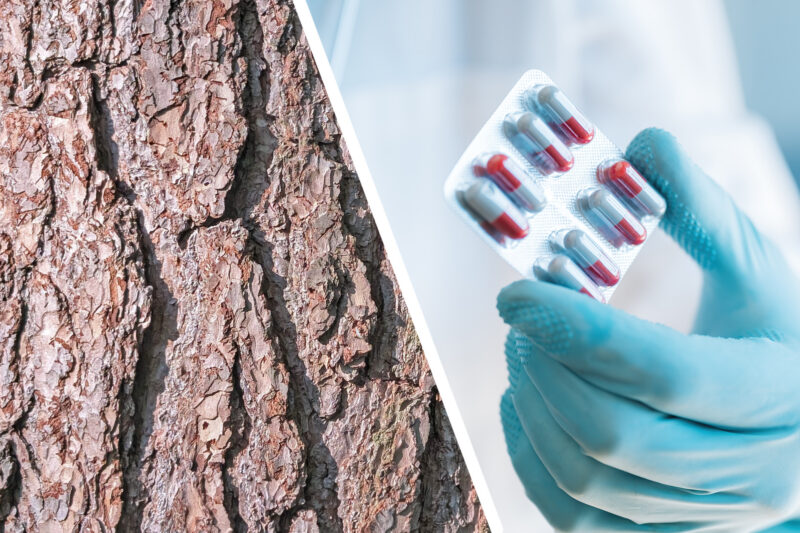
A growing global pollution problem may have an unexpectedly natural solution: pine bark.
Researchers at the University of Oulu in Finland have developed a bark‑based material that efficiently removes pharmaceutical residues from wastewater, offering a promising alternative to conventional wastewater treatment technologies.
As the use of pharmaceuticals continues to grow worldwide, increasing amounts of drug residues are finding their way into rivers, lakes, and coastal waters. Antibiotics, painkillers, antidepressants, and other medicines enter wastewater through households, hospitals, and industrial activities.
Although modern wastewater treatment plants can remove many of these compounds, a significant proportion of these pharmaceutical micropollutants are still escaping into the environment. Their presence is raising concerns among scientists and policymakers alike.
Even at very low concentrations, pharmaceutical residues can contribute to the development of antimicrobial resistance (AMR), allowing bacteria to evolve defenses against medicines designed to kill them. The World Health Organization (WHO) has identified AMR as one of the most serious threats to global public health, warning that drug-resistant infections could undermine decades of medical progress.
In response to growing concerns over pharmaceutical pollution, the European Union revised its Urban Wastewater Treatment Directive, which entered into force in 2024. The updated legislation introduces stricter requirements for the removal of micropollutants from wastewater and is expected to drive demand for new and more effective treatment technologies.
“Our research offers a practical and cost‑effective solution based on forest‑industry by‑products while supporting the principles of the circular economy,” says Mahdiyeh Mohammadzadeh, who led the study as part of her doctoral research. The work was supported through joint funding from the Research Council of Finland and the EU Horizon 2020 programme AquaticPollutants.

Turning pine bark into a water‑purification material
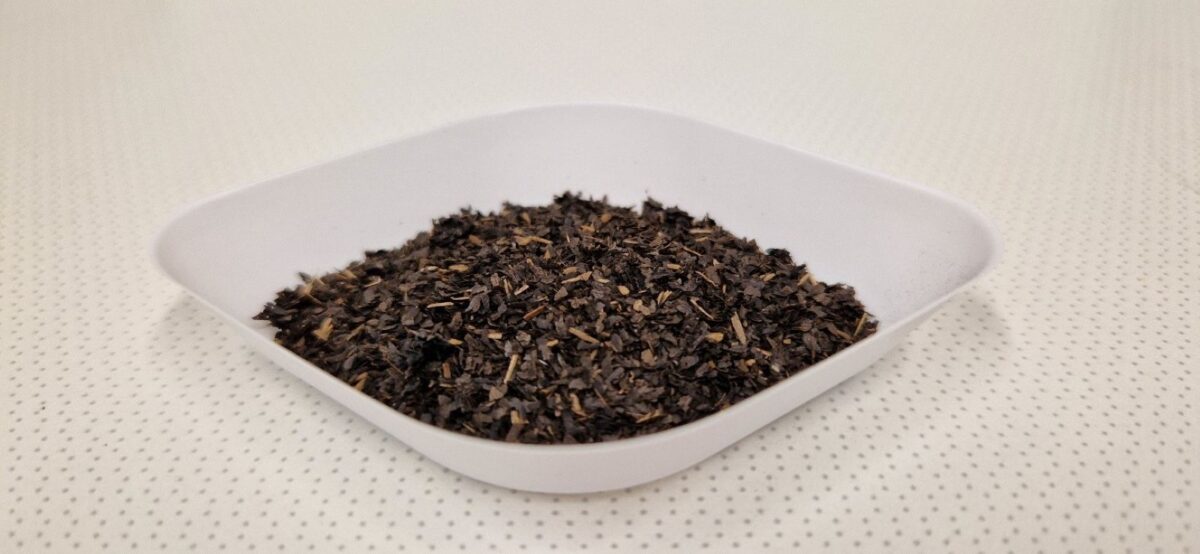
The study focused on pine bark, an abundant byproduct of the forest industry. Pine bark contains high concentrations of polyphenols—i.e. natural compounds whose chemical structure enables them to bind with a wide range of contaminants, explains Mohammadzadeh, now a postdoctoral researcher at the University of Oulu.
By modifying the bark with iron compounds such as magnetite, researchers at the university created a material that can efficiently capture pharmaceutical residues and can be easily separated from water after use.
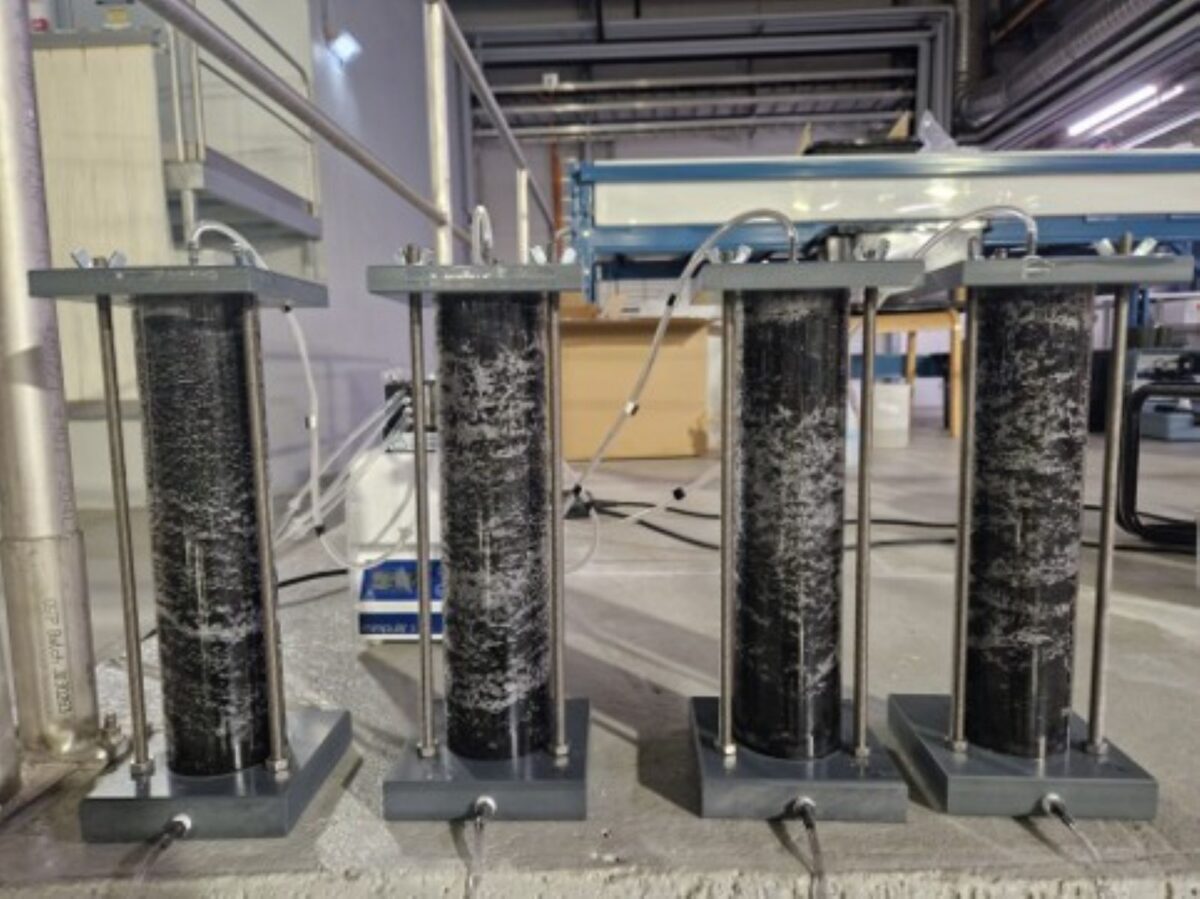
In pilot-scale studies lasting four months, the iron-modified pine bark removed a range of commonly used pharmaceuticals from wastewater, including antibiotics, antidepressants, painkillers, and blood pressure medications.
Removal rates ranged from several tens of percent to more than 90 percent depending on the compound, says Mohammadzadeh. The antibiotic trimethoprim was removed almost completely, while removal efficiency for the antidepressant venlafaxine exceeded 90 percent.
In a separate BIONANOCOMPO project funded by the Maa- ja vesitekniikan tuki ry researchers also developed cobalt–magnetite bionanocomposites that degrade pharmaceutical compounds including levofloxacin, a widely used antibiotic.
A lower-cost alternative
Existing technologies such as activated carbon and ozonation are highly effective in removing pharmaceutical residues, but they can be costly to install and operate. Pine bark-based materials offer an inexpensive alternative while using an abundant industrial byproduct.
“The wide availability of pine bark as a forest industry by-product supports sustainable resource use,” Mohammadzadeh says.
Now, she says, the next step is to strengthen collaboration between wastewater treatment operators and the forest sector to help bring the technology into practice.
Before large-scale adoption, researchers must address several questions, including how the materials can be reused, how often they can be regenerated, and whether they could release iron or other compounds into the treated water. Their potential environmental impacts also require further investigation, Mohammadzadeh notes.
“The advantage of pine bark-based materials is their simple and low-cost production process,” said Professor Tiina Leiviskä, who supervised the research.
“They do not require high processing temperatures, and the modification process is straightforward,” Leiviskä commented.
New value from forest industry side streams
The findings highlight the broader potential of forest industry by-products in environmental technologies.
“By transforming low-value side streams into advanced water treatment materials, the approach supports both resource efficiency and circular economy goals,” notes Mohammadzadeh.
She adds that researchers at the University of Oulu are now also studying spruce bark tannins to remove pharmaceuticals from wastewater. In the next phase, tannin‑based foams will be tested for adsorption in both batch and column setups. This work is funded by Maa‑ ja vesitekniikan tuki ry as part of Mohammadzadeh’s postdoctoral research.
“Everyone can help reduce pharmaceutical pollution,” Mohammadzadeh stresses. “Unused medicines should never be flushed down the drain or thrown away with household waste. In Finland, they can be returned to pharmacies for safe disposal,” she reminds readers.