Finnish forestry expertise attracts global interest – Canada’s Ken Day returns for his third study tour
Finland continues to attract a steady stream of international forestry professionals eager to learn from the country’s world-leading expertise. During the past two years alone, approximately 300 international visitors representing more than 100 organizations have visited the Joensuu region.
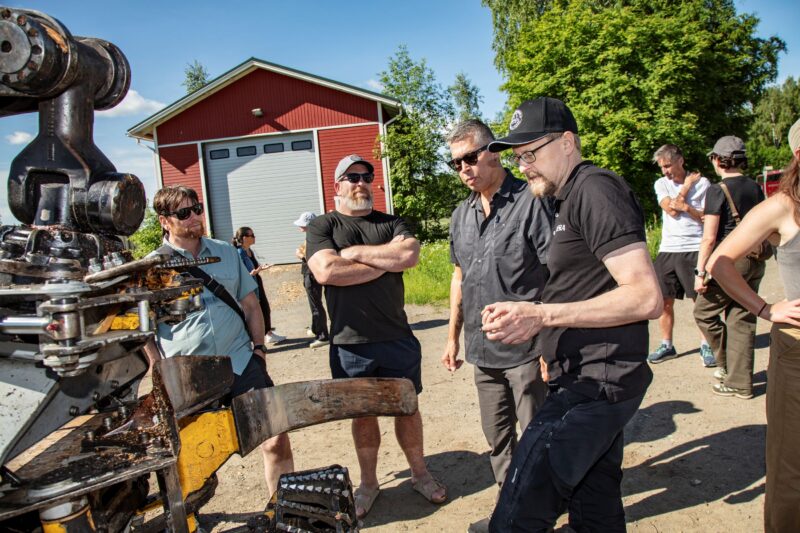
Visitors from Canada listen attentively as Mika Tahvanainen from Joensuu-based technology company Kesla and forest contractor Jyrki Hyvärinen explain Finnish timber harvesting practices in the village of Jakokoski, Kontiolahti.
The theme of the day is commercial thinning operations.
In Finland, first thinnings and other thinning operations accounted for nearly 70% of the total harvested forest area in 2024. In contrast, commercial thinning is rarely practiced in the visitors’ home region of British Columbia.
“We’re highly skilled at large-scale harvesting operations, but we need to learn how to make timber harvesting work efficiently in one-, two-, or three-hectare forest stands like they do in Finland. This is new to us,” says forestry consultant Ken Day in a Business Joensuu press release.
Three Years Later – The WhatsApp Group Is Still Active
Later in the day, the delegation hears presentations from experts representing the Finnish Forest Centre, the Natural Resources Institute Finland (Luke), Tornator, UPM, and Xpyro, a company specializing in forest fire prevention.
Throughout the week, the group—consisting of Indigenous representatives, researchers, forestry professionals, and harvesting specialists—attends dozens of presentations.
“We are moving towards a new forest management model—one where the same forest area is revisited two, three, or even four times during a single rotation, and where individual stands are thinned more intensively than before,” summarizes Dominik Röser, Associate Dean of Forestry and Environmental Stewardship at the University of British Columbia, describing the ongoing transformation of forestry practices in British Columbia.
Ken Day is back in Finland for his third visit. He has no hesitation in naming the biggest outcome of his previous trip three years ago.
“It created a strong sense of working together. Since then, we’ve updated our thinning guidelines, launched training programmes for forest machine operators, and developed professional continuing education. We still have a WhatsApp group where we support each other and work together to solve practical challenges,” Day says.
Hundreds of Visitors – One Third from Asia
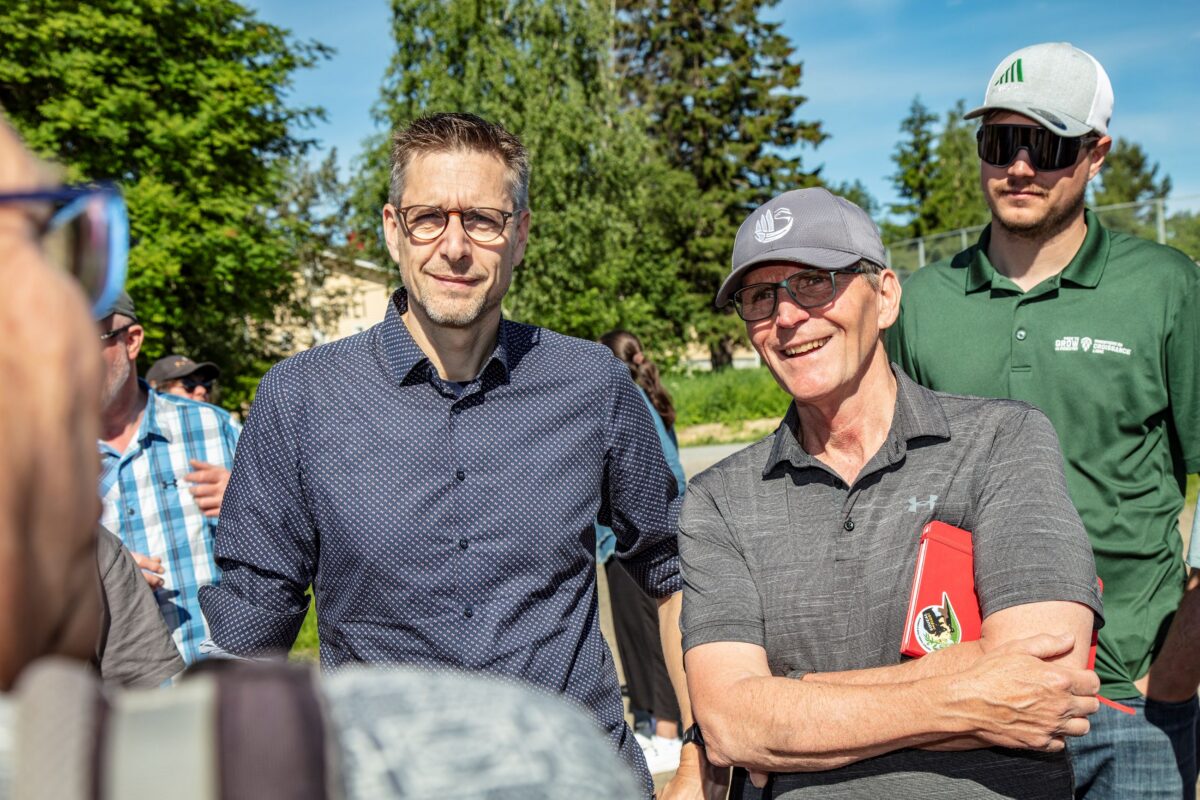
The Canadian delegation is not the only delegation of its kind. International forestry visits land on the desk of Business Joensuu Development Manager Ville Kortelainen almost every week.
Kortelainen plans the programmes and accompanies visitors as both host and guide, making it easier for international groups to organize study visits to Finland.
“During the past two years, around 300 international visitors from more than 100 organizations worldwide have come to the Joensuu region through our network. About one-third of the groups come from Asia,” says Kortelainen.
According to him, visitors are especially interested in learning how Finland collects highly accurate forest resource data, how the data supports decision-making, what kind of machinery enables efficient timber harvesting, and how the different parts of the forestry value chain are integrated.
Joensuu’s Forestry Expertise Attracts Global Interest
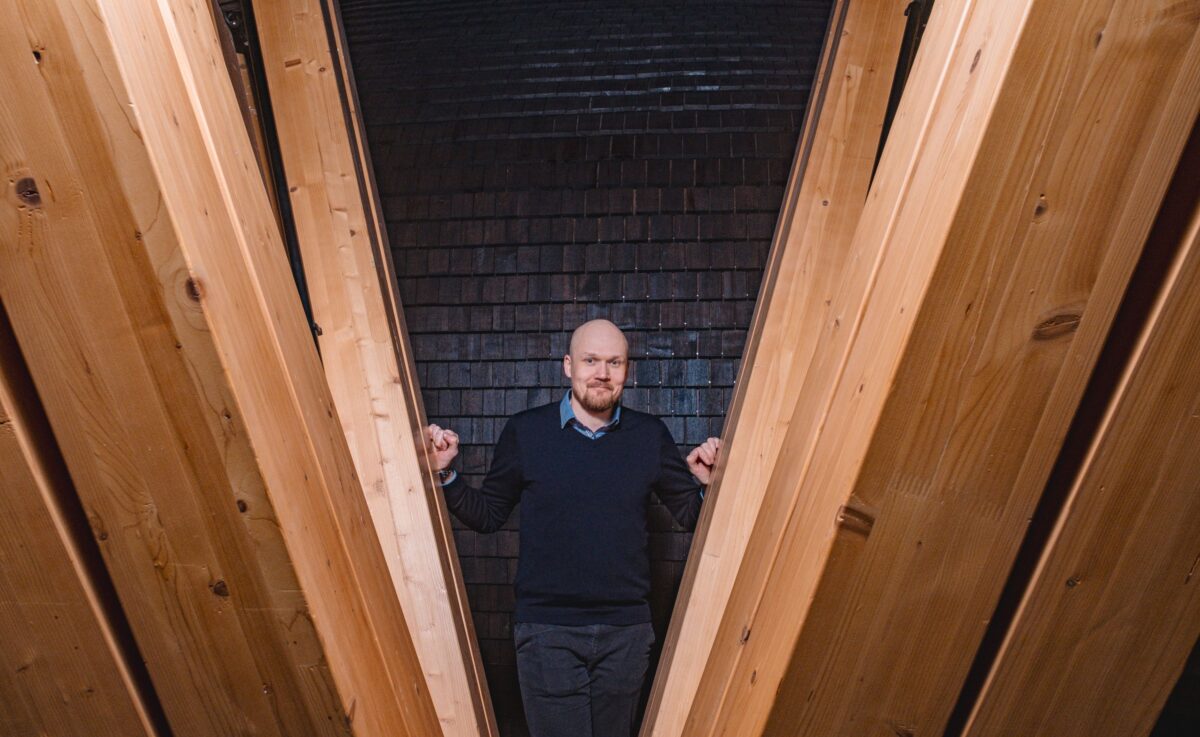
Business Joensuu’s goal is to build connections between international visitors and local organizations.
The work is carried out within the EU-funded Forest Joensuu innovation ecosystem. Awarded the President of Finland’s Export Promotion Prize, the network brings together companies, research organizations, and other stakeholders in the forest bioeconomy under a shared brand and collaborative ecosystem. It includes around 600 organizations employing approximately 6,000 people.
“In forestry, Finland is internationally recognized as a high-technology country. We’ve developed expertise here that is in demand around the world,” says Kortelainen.