Rooted in Europe, celebrated worldwide: the timeless charm of real Christmas trees
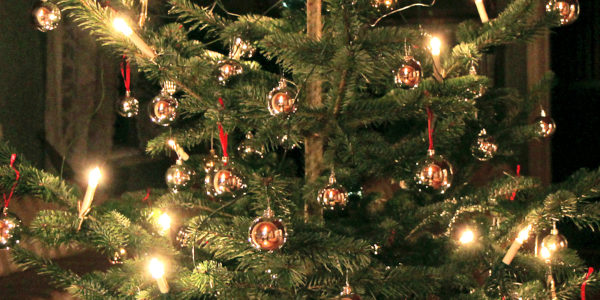
“A real tree smells, looks, and feels like Christmas,” says Timo Kauppila, Chair of the Finnish Christmas Tree Association. In Finland, around three quarters of households choose a real Christmas tree. Across Northern and Central Europe, real trees remain the dominant choice, while artificial ones are more common further south.
The tradition of the Christmas tree began in Germany in the 15th–16th centuries and reached the Nordic countries in the 1700s. In Finland, the first decorated trees appeared in parsonages and upper-class homes in the early 1800s.
“The earliest record of a Finnish Christmas tree dates to 1829, and by the early 20th century the tree had become part of peasant households,” explains Tuomas Hovi, Docent of Folkloristics at the University of Turku.
Originally a custom of the elite, the practice spread more widely as public schools introduced Christmas tree festivities for children, embedding the tradition across Finnish society.
Finland’s loyalty to the real tree
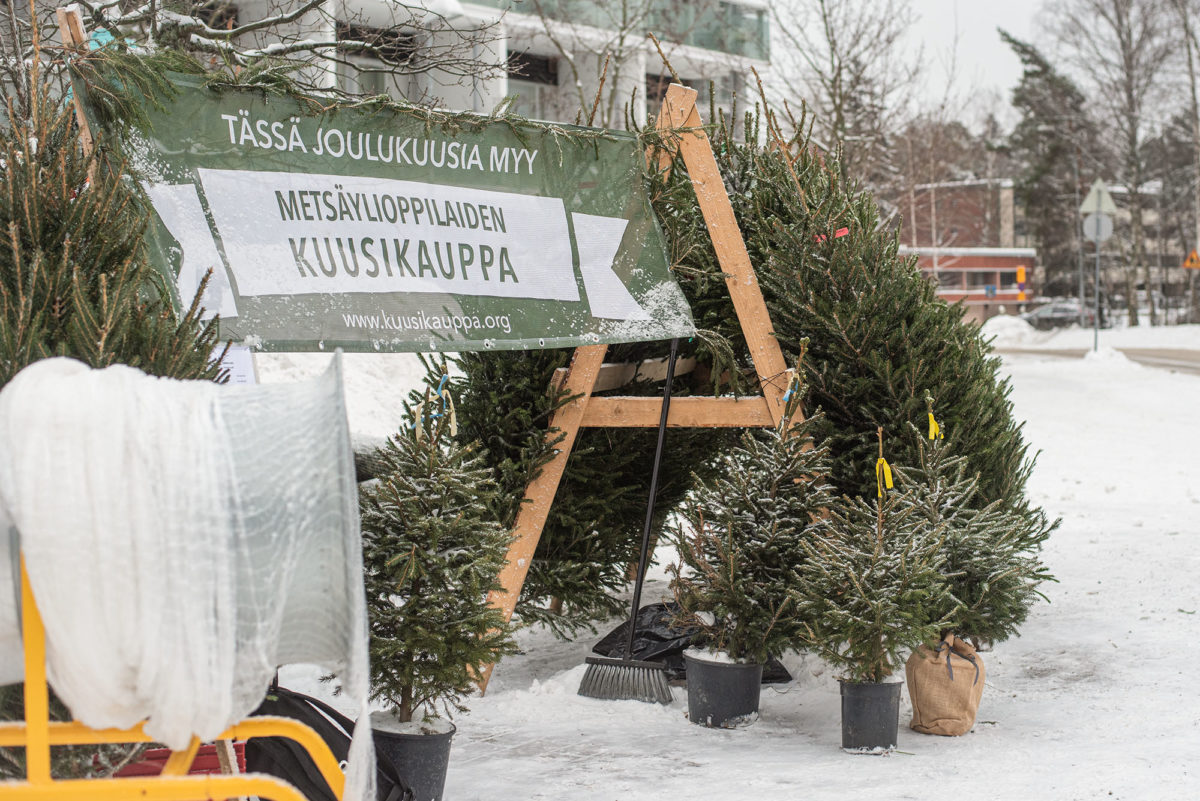
Finns remain loyal to real Christmas trees: an estimated three quarters of the trees set up in Finnish homes are natural trees. Most of these are grown on domestic plantations.
Roughly one million trees come from plantations, 300,000 are taken from family or friends’ forests, and only about 100,000 are imported—mainly from Denmark, with smaller numbers from Sweden.
“Although artificial trees have become more common in recent years, they have not replaced real trees in popularity. For many, a real Christmas tree is still an essential part of the holiday, tied to strong traditions and rituals—from choosing the tree to bringing it home. In addition, the scent of a real tree is an inseparable part of the Christmas atmosphere for many,” explains Tuomas Hovi.
According to Timo Kauppila of the Christmas Tree Association, people in Finland now bring their Christmas trees home earlier than in the past, but still more moderately than in many other parts of the world.
“In Finland, the tree is still the climax of Christmas celebrations, not the beginning,” Kauppila emphasizes, contrasting Finnish habits with those in the United States, where trees are often brought home right after Thanksgiving in November.
Choices beyond the classic spruce
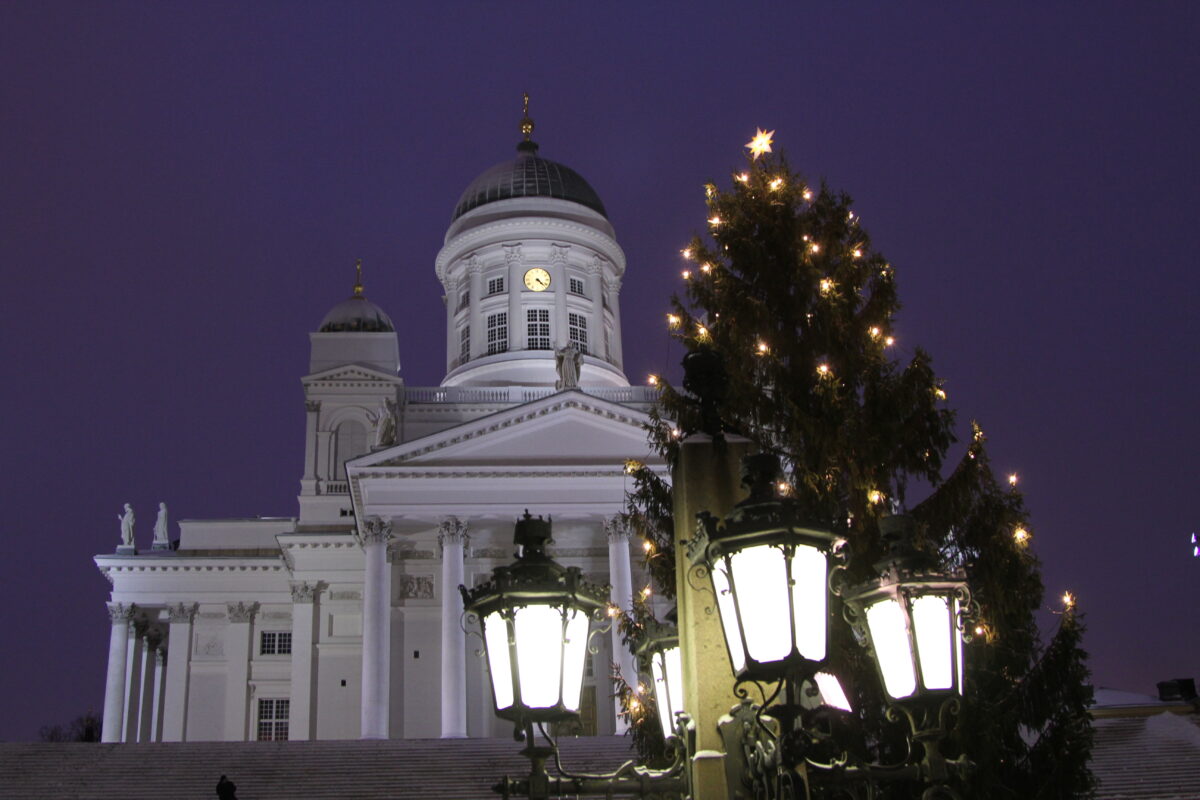
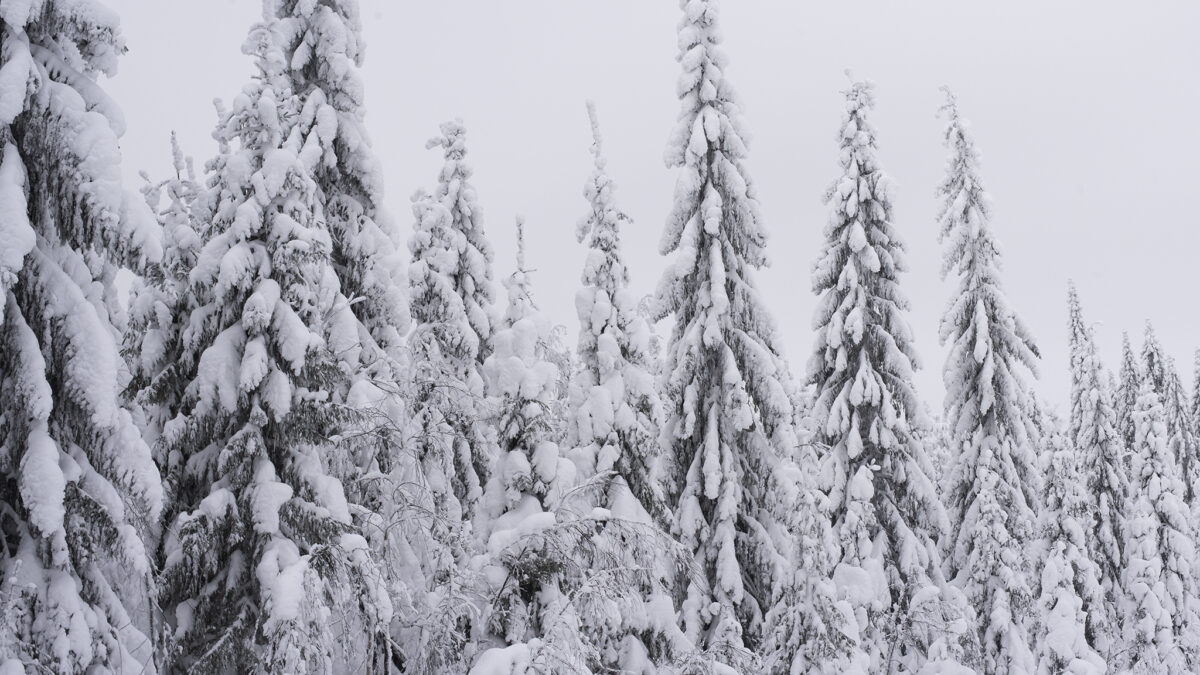
The most popular Christmas tree in Finland is the native Norway spruce (Picea abies). Finnish families also choose black spruce and Serbian spruce, both valued for their durability and minimal needle drop. In Upper Lapland, Scots pine is sometimes chosen, as it grows abundantly in the region, while junipers and arborvitae (Thuja) are only rarely selected.
According to the Finnish Forest Centre, the main factors guiding tree choice are appearance, price, and ease of care.
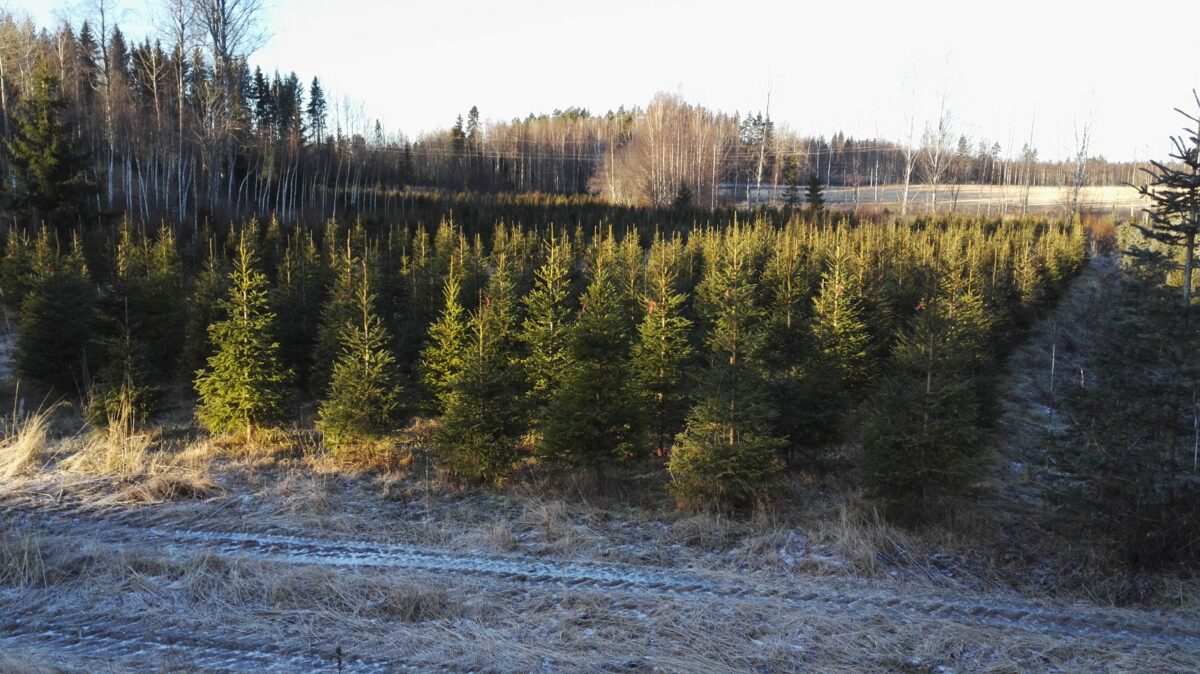
“Christmas trees typically take 8–12 years to grow to the right size. They are usually sturdier than their wild relatives, with stronger branches—something that becomes especially noticeable when decorating,” explains Timo Kauppila.
“Christmas tree growers often prune the trees to achieve a neat, conical form,” he adds.
Sustainability and recycling
A real Christmas tree is an environmentally friendly choice. Unlike artificial trees, which are made from oil-based materials and metal frames and are difficult to recycle, natural trees can be repurposed after the holidays, for example, as wood chips for landscaping or energy production.
“Critics often point out that a real tree serves only for a short time. But studies show that an artificial tree would need to be used for 20 years to match the carbon footprint of a natural one—without even considering the recycling challenges,” Kauppila explains.
According to the Finnish Forest Centre, the carbon footprint of a domestic Christmas tree is about two kilograms of carbon dioxide. Christmas tree plantations also support biodiversity, Timo Kauppila notes.
“Dense spruce stands provide shelter for birds and small animals, and many families have even discovered a bird’s nest in their Christmas tree.”
In the United States, an estimated 350–500 million Christmas trees are growing on plantations, with around 30 million harvested annually, according to National Christmas Tree Association (NCTA). For every tree sold, many more remain to mature, creating valuable habitats for wildlife.
Care and placement
A fresh tree can last indoors for at least two weeks without shedding needles, provided it never dries out. Markku Remes, Senior Forestry Specialist at the Finnish Forest Centre, advises protecting the tree from wind during transport, letting it thaw in a cool place, and keeping the base in water for at least 24 hours before bringing it inside. Sawing a 3–5 cm slice off the base improves water absorption.
“Choose a stand with a water reservoir so it’s easy to refill and monitor,” Remes recommends.
He notes that freshly cut trees absorb large amounts of water at first, making careful watering essential. Placement is equally important: keep the tree away from radiators or fireplaces, which can dry it out quickly and pose a safety risk.
A tradition across borders
The Christmas tree tradition thrives worldwide. In Germany, the Weihnachtsbaum remains central to the holiday. In the United Kingdom, surveys show that around 85 percent of adults put up a tree, making it a firmly established part of Christmas celebrations. Yet the choice between real and artificial trees divides opinion.
A 2022 YouGov survey found that only 15 percent of Britons celebrating Christmas planned to buy a real tree, while 67 percent opted for an artificial one—most reusing a tree they already owned (60 percent), and a smaller share considering a new purchase (7 percent).
Generational differences are clear in Britain: one in four young adults aged 18–24 chooses a real tree, compared with just 9 percent among those over 65.
“Older generations often purchased their artificial trees years ago, at a time when environmental concerns were less prominent,” notes YouGov’s international market research.
In the United States, artificial trees dominate even more strongly. Recent surveys suggest that up to 80 percent of households displaying a Christmas tree choose a synthetic version. Convenience and practicality are the main reasons—artificial trees last for many years, do not shed needles, and require little maintenance, explains American Christmas Tree Association (ACTA), which represents the artificial tree industry.
Although the symbolic value of the real tree endures, in everyday life the artificial tree has become the default choice for many families. Practices vary from country to country, reflecting cultural traditions and practical considerations, but the tree itself remains a central creator of Christmas atmosphere.
“For many people, choosing and bringing home a Christmas tree is part of the holiday experience rather than a simple transaction. Although families are becoming smaller, tree sellers in Finland are adapting by offering new services—such as home delivery and collection after the holidays—to make the tradition easier to maintain,” says Timo Kauppila.