New cosmetics manufacturing method reduces chemical load on the environment by up to 80 percent
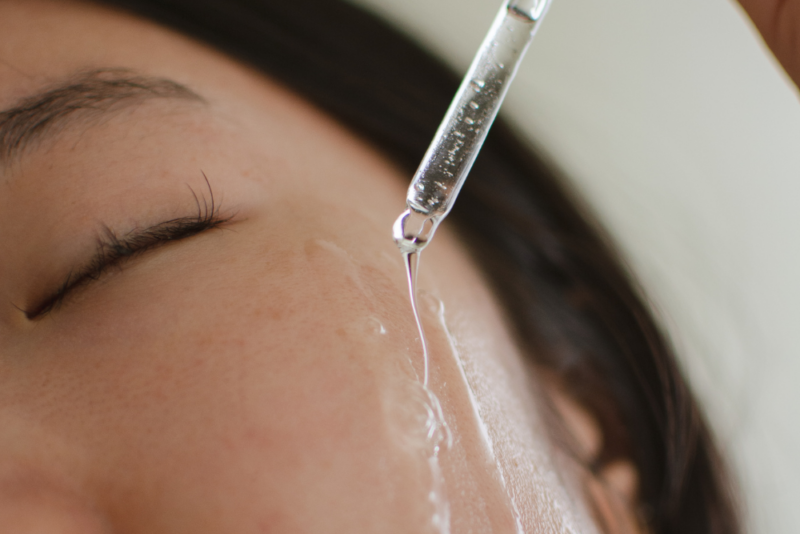
The Chem-less™ method uses cellulose and water to create a hydrogel that contains significantly fewer chemicals than conventional cosmetics.
The cosmetics industry consumes large amounts of chemicals and energy. The market value of cosmetics and their raw materials, which exceeds €500 billion globally, reflects the volume of production.
A significant proportion of cosmetics ends up in wastewater when washed away, and even modern treatment plants are unable to completely remove these substances. This leads to the accumulation of chemicals in waterways and the environment.
Until now, efforts to make cosmetics more sustainable have mainly focused on packaging, even though the composition of the product itself is key to its environmental impact.
The new Chem-less™ cosmetics manufacturing method approaches the problem through the product manufacturing process. The key part of the method is a hydrogel made from cellulose and water, as well as a rethought formulation strategy. Together, these form a manufacturing method that reduces the need for excipients traditionally used in the manufacture of cosmetic products, such as thickeners, stabilizers, and synthetic composition-modifying chemicals, as well as reducing energy consumption.
The technology can reduce the chemicals used in cosmetics manufacturing by up to 80 percent.
“This is not a minor improvement, but a completely new manufacturing method that challenges the entire structure of the cosmetics industry,” says Lavliér’s founder, Dr. Petro Lahtinen, PhD in Chemistry.
“A large part of the raw materials contained in cosmetic products are excipients that are not essential for the effectiveness of the product, but rather form the structure of the product. Our cellulose-based technology reduces the need for these ‘unnecessary’ excipients, some of which are also harmful to the environment. This could be a solution that transforms the entire industry,” says Lahtinen.
According to Lahtinen, in the new manufacturing method, the desired product is created by adding only the active raw materials necessary for the intended use to the hydrogel base. This simplifies the manufacturing process and reduces the need for chemical additives.
Thanks to its cellulose base, energy consumption is also reduced. The method does not require multi-stage or high-heat processes, which are often necessary in traditional cosmetics manufacturing.
Cellulose is obtained from wood, for example, which makes the solution renewable and bio-based. At the same time, it reduces dependence on fossil raw materials.
According to Lahtinen, the hydrogel product is non-toxic and biodegradable.
“Cosmetic products cannot be recycled in practice because they wear out during use and are washed away. For this reason, the method focuses on reducing environmental and health impacts already in the chemical composition of the product.”
At the end of the product’s life cycle, the material decomposes naturally without leaving any permanent or harmful residues, which reduces the environmental impact both during manufacturing and after use.
“The new method addresses several sustainability issues in the cosmetics industry: chemical load, energy consumption, and the use of non-renewable raw materials. In addition, a simpler manufacturing process can reduce the production costs of cosmetics.”
Chem-less Technologies Oy, also known for its Lavliér cosmetic products, will present its wood-based hydrogel to the international media in London on March 9, 2026, as part of the New Wood: Building a Bio-Based Future exhibition in London. The New Wood exhibition is a collaboration between the Circular Bioeconomy Alliance, The King’s Foundation and the Finnish Forest Association – a national platform promoting dialogue, knowledge exchange, and responsible forest use in Finland since 1877.