Top 7 most-read articles in 2025: Forest health, climate change, and surprising research findings caught readers’ attention
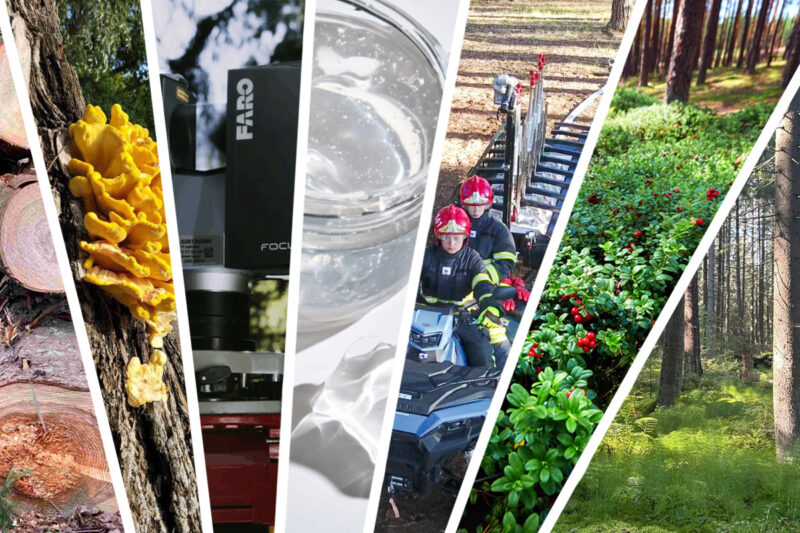
Forest destruction, the future of tree species, and the accelerating effects of climate change were key themes in Forest.fi’s most-read articles in 2025.
Readers were drawn to practical guidance on yard tree safety and to research news ranging from oral health to international fire prevention.
Forest.fi highlights the seven most-read articles of the year and explores the themes discussed in Finland and internationally.
1. Stealthy damage threatens to destroy European conifer stands from the inside
European coniferous forests are plagued by a silent but devastating disease that spreads underground and often becomes apparent only after decades. Decision-makers should awaken to the need to combat the Heterobasidion fungi threatening pine and spruce stands.
An article on Forest.fi explains how root rot spreads, why it is difficult to control, and the economic losses it can cause. Experts emphasize that combating the disease requires active measures by both forest owners and decision-makers, and that biological control methods are playing an increasingly important role.
2. The restoration of peatlands is a hot topic
The restoration of peatlands has become a focal point in the climate debate, but its effects remain controversial. What happens when a drained peatland is restored to its natural state?
This article presents Professor Annamari Laurén’s (University of Helsinki) view on why restoration can increase emissions in the short term and why the carbon balance of peatlands is more complex than often assumed. It also explains when restoration is ecologically justified and when forestry may be a more sustainable solution.
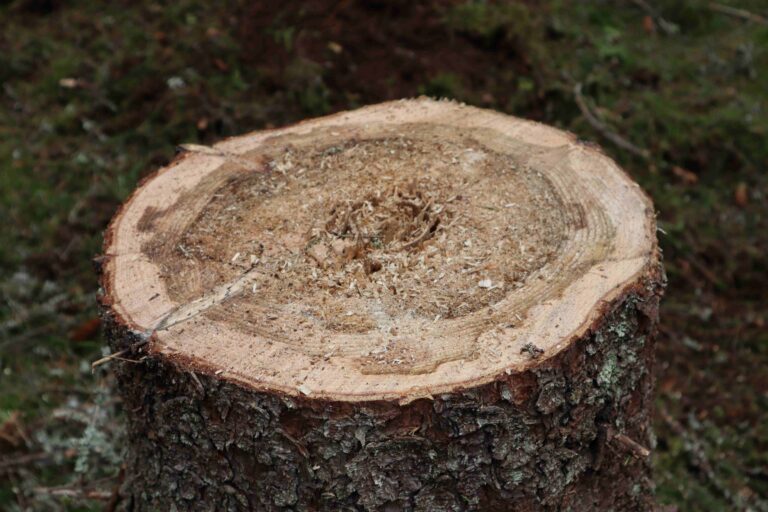
3. How to identify trees in bad shape: 8 + 7 signs
When is a tree at risk of falling? An article on Forest.fi lists the signs that every forest and garden owner should recognize.
In the article experts point to a need for extra measures because of the health of garden trees or forest plots. The article compiles concrete examples of causes behind issues such as root damage, fungi, and, for instance, structural weaknesses behind trees. Readers are given practical tips on when to have a tree inspected by a professional and when felling is the only safe option.
Experts advise, for instance, that you should contact a professional if you feel uncertain and cannot identify the different decomposer fungi, as different decomposer fungi affect trees in different ways (for example, some primarily rot heartwood, others weaken roots or the trunk base).
4. Trees are dying at an alarming rate – the future of spruce is hanging in the balance
Spruce, Finland’s iconic tree species, is suffering from drought, pests, and disease. Experts warn that its position as the main tree species is no longer a given.
This Forest.fi article describes how climate change and new pests have weakened spruce forests not only in Finland but across Europe, and examines the options available to forest owners as forest management adapts to a rapidly changing climate.
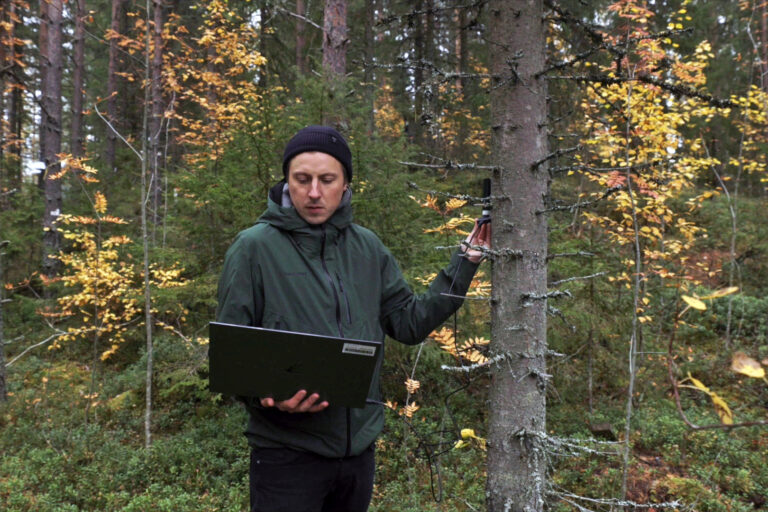
5. These eight innovations are already implementing the European bioeconomy strategy
On November 27, 2025, the European Union published a new bioeconomy strategy that emphasizes the importance of the forest industry in Europe’s green transition.
Forest.fi listed eight interesting innovations in the forest bioeconomy that already demonstrate that forests are not just a source of raw materials, but the engine of the future for the entire European bioeconomy.
6. A dentist’s insight: Fermented lingonberry juice supports oral health
Surprising research results shed new light on a Finnish superberry: Lingonberries can support oral health in unexpected ways.
Lingonberries have been used in folk medicine for generations to treat various health ailments, including mouth thrush and stomach discomfort. Traditional remedies often involved lingonberry juice or extracts because of their antibacterial and anti-inflammatory effects, Dr. Pirjo Pärnänen says.
The article presents a dentist’s observations alongside scientific findings showing that lingonberry compounds can inhibit harmful bacteria and support oral health. It also explains how these effects are being studied and what new opportunities they offer for future innovations in oral care.
The article presents a dentist’s observations alongside scientific findings showing that lingonberry compounds can inhibit harmful bacteria and support oral health. It also explains how these effects are being studied and what opportunities they may offer for future innovations in oral care.
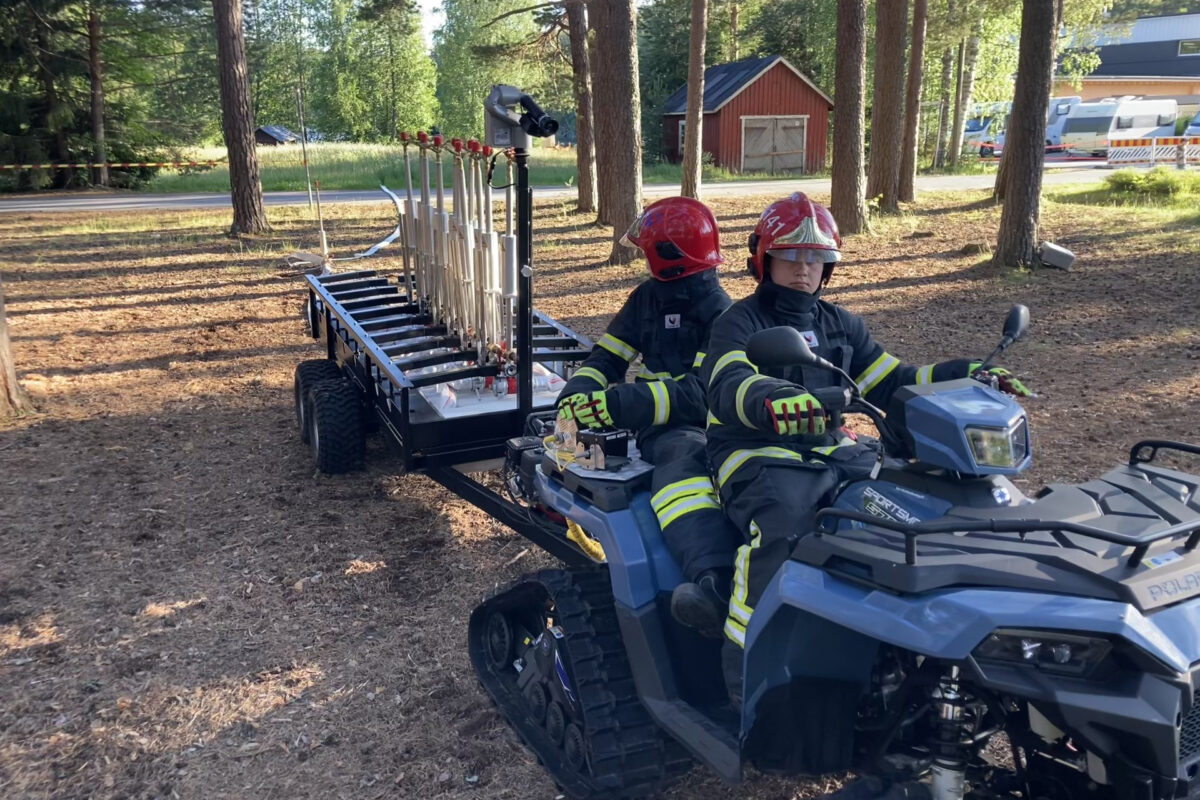
7. Fighting wild fires in an era of climate change: Finnish innovations on the frontlines
As the climate warms, wildfires are becoming more intense, more common, and increasingly unpredictable. Long periods of hot weather, drought, and the deteriorating condition of forests are creating ideal conditions for unprecedented mega-forest fires. How can societies prepare for a new reality in which fire is no longer an exception but a permanent risk?
This article examines global trends in wildfires and the research behind the growing fire risks. It also highlights Finland’s role in international wildfire preparedness.
The topic is also timely globally: at the COP30 climate conference held in Brazil last November, forest fires took center stage for the first time, and community-based prevention was recognized as one of the most effective ways to respond to the fire risks accelerated by climate change.