Your grocery bag’s carbon footprint starts with the packaging
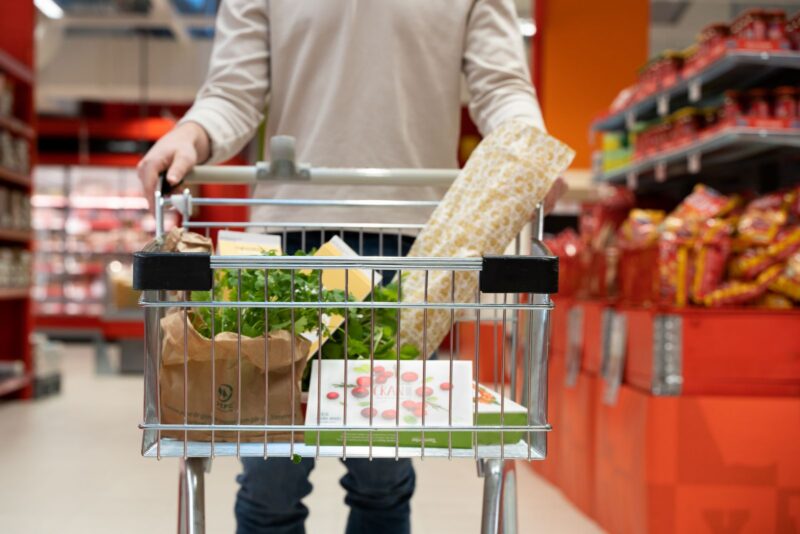
Packaging choices have a surprisingly large impact on the carbon footprint of food purchases. The transition towards fibre-based packaging materials is supported by the new EU bioeconomy strategy.
Fibre‑based packaging, made from wood fibres, has become an important alternative to fossil‑based plastics. The EU is promoting a shift toward bio‑based packaging materials — including wood‑fibre packaging, bio‑based plastics and wood‑derived chemicals — supporting the development of the forest and packaging industries.
According to Marjukka Kujanpää, Head of Sustainability at Stora Enso’s Food and Beverage Packaging business, the choice of materials can reduce the packaging’s carbon footprint by more than 60 per cent. Third-party life cycle assessments show that cardboard-based packaging often emits significantly lower greenhouse gases than plastic and other alternatives, such as glass and metal.
“In some comparisons, emissions can be reduced by as much as 67–80 per cent when considering the impact of the entire life cycle of the packaging,” says Kujanpää.
The amount of material matters
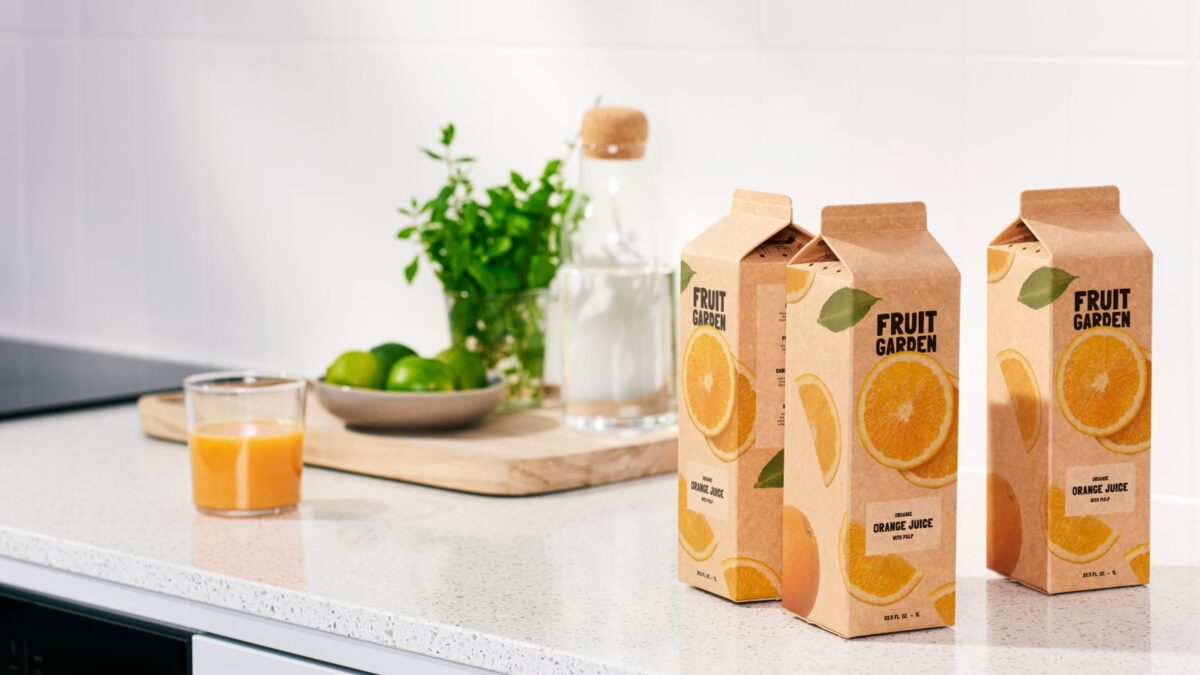
Responsible packaging is not only about using the right material, but also the right amount of material. Oversized or unnecessarily thick packaging consumes unnecessary material and raw materials, thereby increasing the environmental impact.
Consumers should also consider whether the size and structure of the packaging are proportionate to its contents.
“Optimised packaging uses as little material as possible, but protects the product adequately throughout its life cycle,” says Kujanpää.
Renewable materials to break plastic dependency
The forest industry is actively developing new materials that can replace fossil-based plastics without compromising packaging’s protective properties.
Kaisa Herranen, Product Responsibility Manager at UPM, emphasises that next-generation renewable materials play a key role in reducing plastic dependency and improving the recyclability and sustainability of packaging.
“The choice of raw materials is an important factor in the responsibility of packaging and in reducing the carbon footprint. In the case of plastic packaging, legislation sets mandatory requirements for the proportion of recycled material in the raw materials used. Packaging manufacturers can also choose renewable raw materials, such as fibre-based materials or renewable alternatives to plastic,” says Herranen.
She emphasises that the most important function of food packaging is to prevent waste. Food waste is a significant environmental problem, as globally about 30 per cent of food produced is wasted. In Finland, households throw away more than 100 million kilograms of food every year, which corresponds to about 20–25 kilograms per person.
“Current wood-based barrier packaging, which protects against moisture and grease, offers a viable alternative to flexible plastic packaging,” Herranen comments.
“When packaging works, it reduces the environmental impact of the entire supply chain,” Herranen explains.
Metsä Group: fibre expertise and circular economy
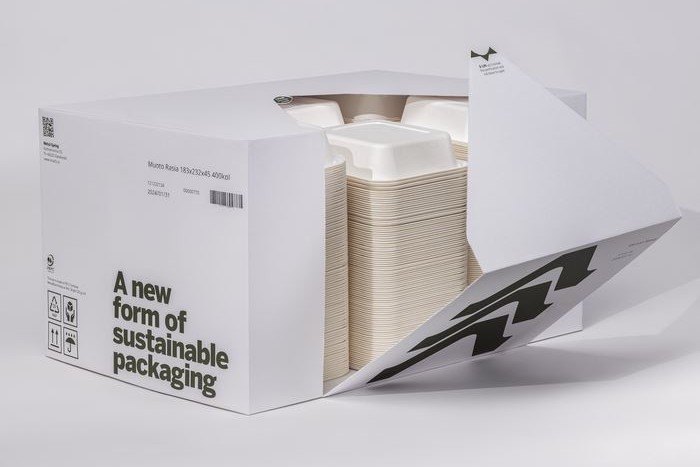
Metsä Group’s innovation company, Metsä Spring, introduced last December new punnet products as part of its Muoto Uncoated Fibre Series, featuring two punnet sizes designed for berries, fruits, and vegetables.
Made from renewable wood pulp, Muoto is said to be fully recyclable and biodegradable. The technology applied in Muoto products converts wet wood pulp into 3-dimensional packages without any intermediate steps.
According to Tarja Heikkilä, Product Manager at Metsä Spring, upcoming EU legislation will increase the need for alternative packaging solutions.
“Our Muoto packages are durable, do not contain plastic, can be recycled and meet the strict requirements of the EU Packaging and Packaging Waste Regulation. Since the new legislation is likely to enter into force in 2030, now is the best time to start looking for alternative solutions for packaging fresh products,” Tarja Heikkilä, Product Manager at Metsä Spring, commented on Metsä Group’s website.
According to market research conducted by Metsä Spring, several billion packages are used annually in Europe for packaging fresh products. The company estimates that replacing plastic packaging with fiber-based solutions could significantly reduce the amount of single-use plastic in the packaging industry.

Even small details affect recycling
Responsible packaging is not just about the main material. Details such as the pigments used to dye packaging materials and labels also affect recyclability.
“For example, we have developed a bio-based pigment that enables the correct sorting and recycling of black packaging. Unlike traditional fossil-based black, the pigment can be identified using near-infrared radiation (NIR),” says Herranen from UPM.
UPM is also developing more environmentally friendly label materials. In these, fossil-based raw materials are replaced with, for example, used cooking oil from fast food restaurants or pine oil from pulp production side streams.
“By reducing dependence on fossil raw materials, new label solutions also offer a concrete, measurable reduction in the carbon footprint of packaging,” says Herranen.
Disposable or reusable – the climate impact depends on how it’s used
According to consumer surveys, recyclability has become one of the most important criteria for responsibility. At the same time, the EU Packaging and Packaging Waste Regulation (PPWR) requires that all packaging on the market must be recyclable or reusable by 2030.
“However, recyclability alone is not enough; what happens to the packaging after use is crucial. Properly sorted and recycled packaging significantly reduces environmental impact compared to packaging that ends up in mixed waste,” emphasises Stora Enso’s Kujanpää.
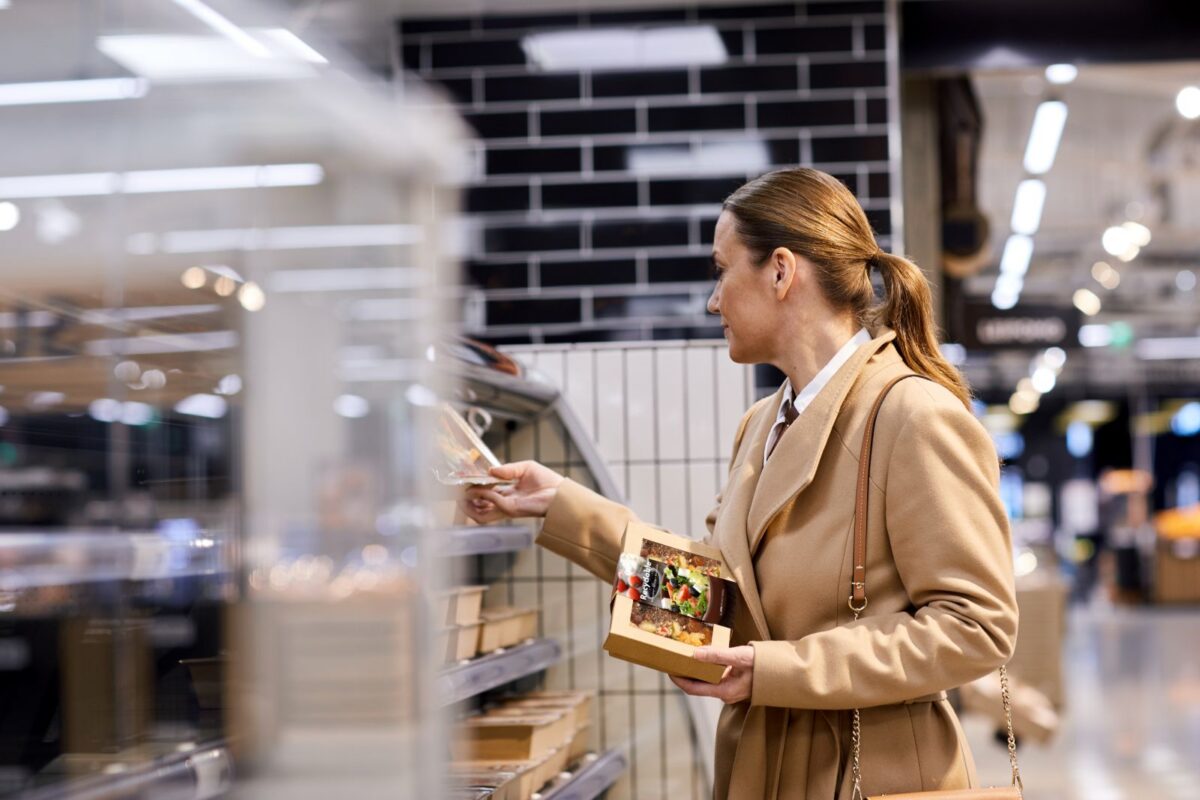
Reusable packaging is often perceived as environmentally friendly, but life-cycle studies show that the picture is more complex. For example, in takeaway use, lightweight, fibre-based disposable solutions may have a better climate impact and other environmental impacts, especially if reusable packaging is used infrequently.
“In some cases, reusable packaging requires almost twice as much fossil raw material and can produce almost twice as many greenhouse gas emissions compared to lightweight paper-based solutions,” says Kujanpää.
Consumers play a key role in this choice. The decision is not only about what to buy, but also how the packaging is used and where it ends up after use.
“If reusable packaging is used infrequently, its environmental impact may be greater than that of a lightweight disposable alternative,” concludes Stora Enso’s Kujanpää.