Forest industry side streams could restore degraded soils and strengthen global food security, researcher says
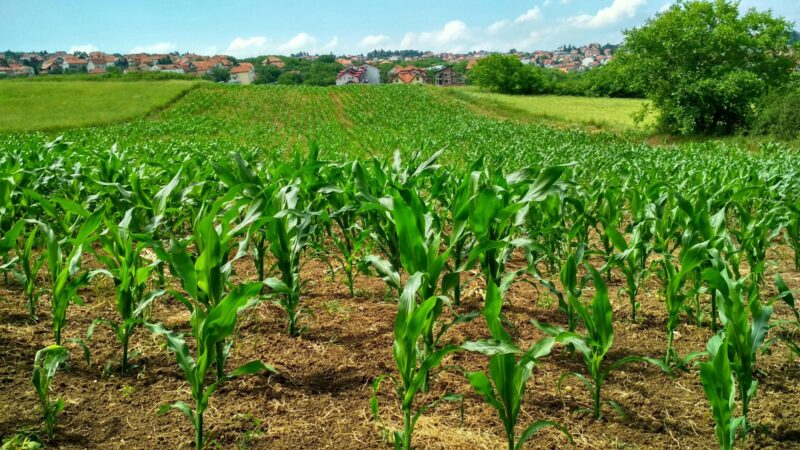
Soil depletion has become one of the most serious global threats to food security. Forest industry side streams provide raw material for strengthening the soil resilience and microbiome.
UNESCO and the Food and Agriculture Organisation (FAO) of the United Nations have warned that a significant portion of the world’s farmland could lose its productivity.
According to a UN report, approximately 15 million square kilometres of soil have already been degraded, and the degraded area is estimated to be growing by one million square kilometres per year. This looming catastrophe is lowering not only the crop volumes but also the nutritional quality of our food.
The areas most affected by soil degradation are the ones where long-term soil erosion and overly intense usage are putting pressure on agricultural land.
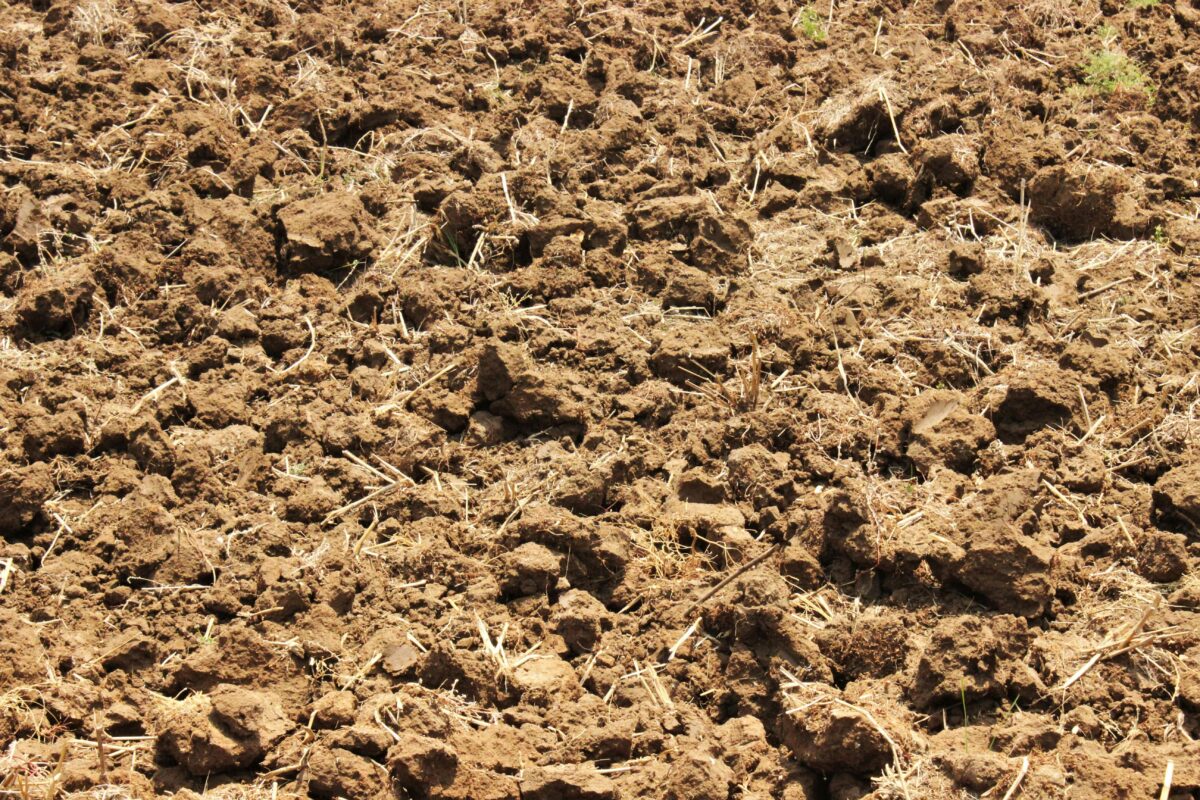
Microbes are the soil maintenance team
According to Adjunct Professor and microbiology expert Elias Hakalehto, soil degradation is the result of decades of erosion, climate stress, soil structure degradation, and excessive use of free salts adding mineral fertilisers.
Hakalehto says that microbes—bacteria, fungi, and other microorganisms—are at the heart of soil vitality. They form a living network that maintains nutrient cycling, balances water and mineral availability, and mitigates the effects of erosion and climate stress. Hakalehto stresses that excessive chemicalisation endangers biological balance in agriculture.
“Microbial communities recognise imbalances in the soil, break down organic matter, release nutrients, and form biofilms that strengthen the soil structure. They act as nature’s own maintenance team, continuously and independently repairing soil troubles,” Hakalehto explains.
The activity of microbes can be enhanced with processed biomass from the forest industry.
“The effect of these side streams on soil microbiota, and consequently, on plant well-being is long-lasting, from three to five years, for instance. Their impact is visible both in the size of the harvest and in the improvement of the soil structure. Particularly important is also the nutritional quality of the crops,” Hakalehto says.
Fibre-based side streams improve soil properties in many ways
Side streams from the forest industry have long been used in agriculture to improve soil quality. However, according to Hakalehto, their potential for use is much greater than at present.
For example, wood ash, which is rich in potassium, calcium, and trace elements, has been used as a fertiliser, especially on acidic soils. According to Hakalehto, in all fertilization activities, maintenance of soil microbiological balances has to be safeguarded.
According to the Natural Resources Institute Finland (Luke), fibre ash—a mixture of clay and fibres produced in forest industry processes—and other fibre-based side streams simultaneously affect the soil in several ways.
The fibres improve soil water retention. According to Elias Hakalehto, the water holding capacity of the fibres and the adjoined microbiome also balances the effects of irritation on dry areas. Organic fibre binds water to itself and acts as a reservoir from which moisture is released for plant use during dry periods. This is particularly important in light mineral soils where water passes through the soil quickly.
Secondly, fibre-based materials increase the amount of organic matter in the soil. Organic matter is a key factor in soil fertility: it affects nutrient binding, crumb structure, and microbial activity. As the amount of organic matter increases, so does the soil’s biological activity.
Thirdly, biomass, obtained from side streams supports microbial activity in the soil. Fibres serve as food for microbes, and as they decompose, they produce compounds that bind soil particles together. This strengthens the soil structure, reduces erosion, and minimises phosphorus leaching into waterways.
Zero fibre as a soil resource
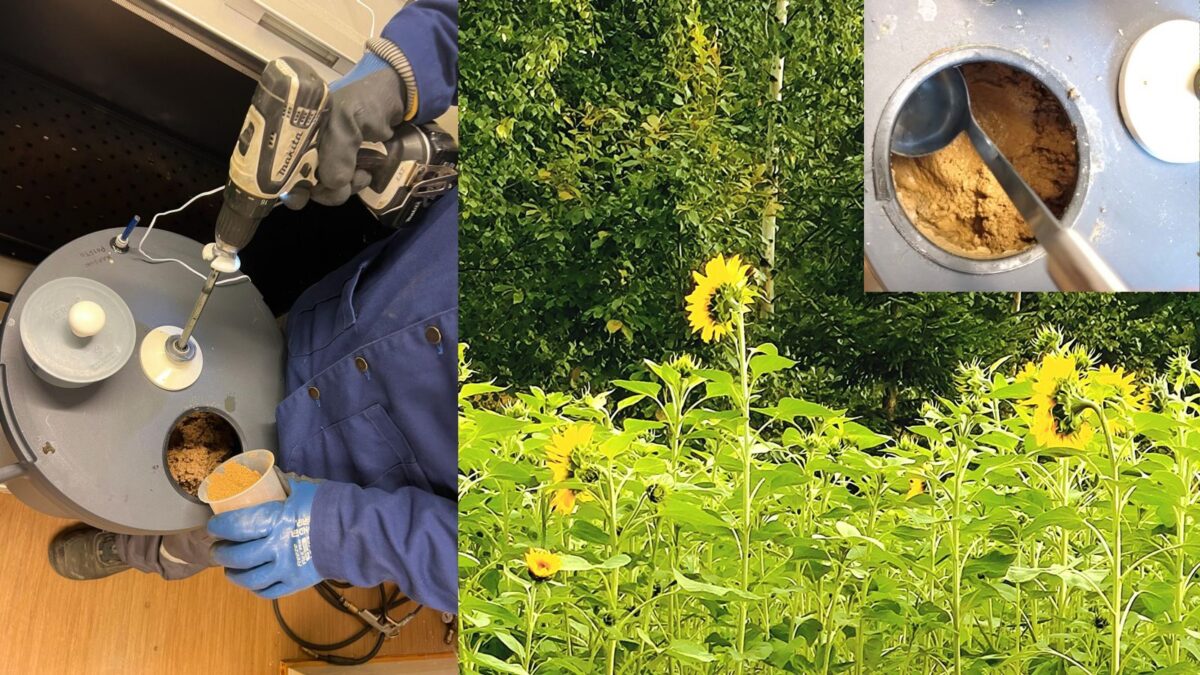
Hakalehto highlights zero fibre, which is a by-product of forest industry processes. Zero fibre is a side stream of the paper and pulp industry that consists of very fine wood fibre. In the past, zero fibre ended up in waterways due to industrial processes. With the development of forest industry processes, less zero fibre is now produced than before.
At the same time, the use of zero fibre has expanded into a range of bioeconomy applications, including the replacement of fossil‑based plastics and textiles with bio‑based materials. In practice, zero fibre no longer enters waterways, as environmental requirements and purification processes have become significantly stricter.
According to Hakalehto, zero fibres could also be converted into valuable chemical products, such as lactate, for use in the chemical, food, and cosmetics industries.
Experiments conducted at research sites have shown that when zero fibre is added to fields, microbes are activated, breaking down the fibre and releasing nutrients for plant use. At the same time, compounds are formed that strengthen the soil structure and reduce nutrient leaching,” Hakalehto explains.
The effects can be seen quickly in increased microbial activity, but some benefits, such as improved structure and carbon sequestration, take longer to manifest.
“When microbes are provided with nutrients and a growing medium, their effect can last for years,” Hakalehto says.
Research and pilot projects support development
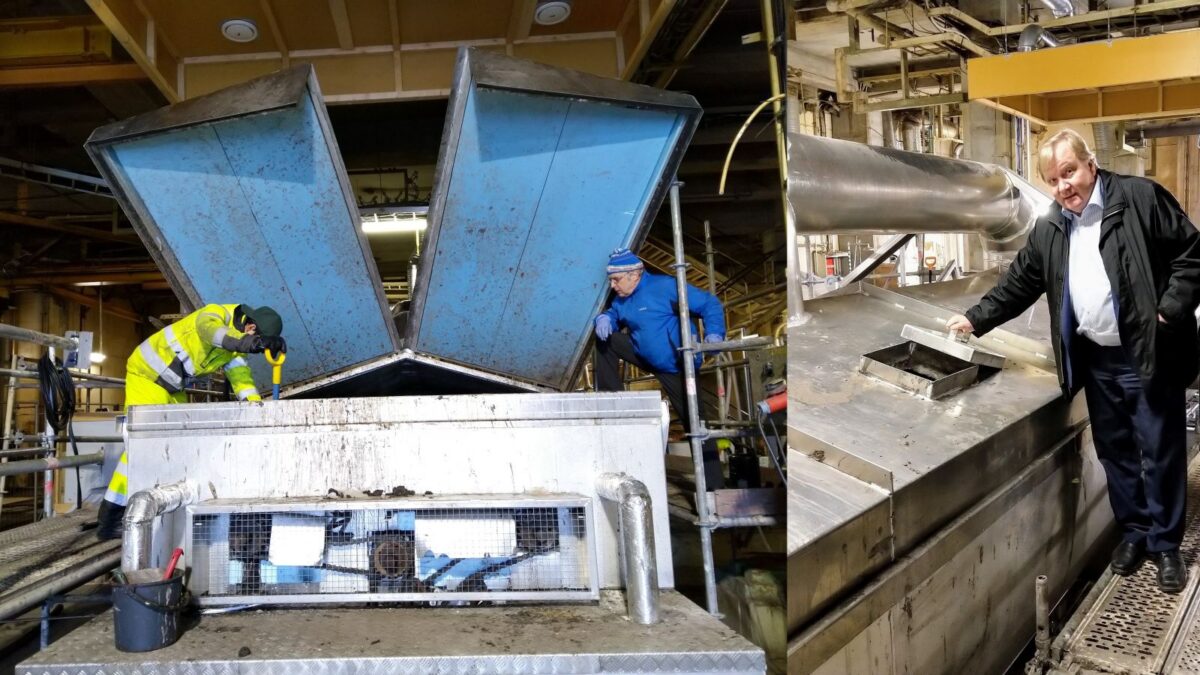
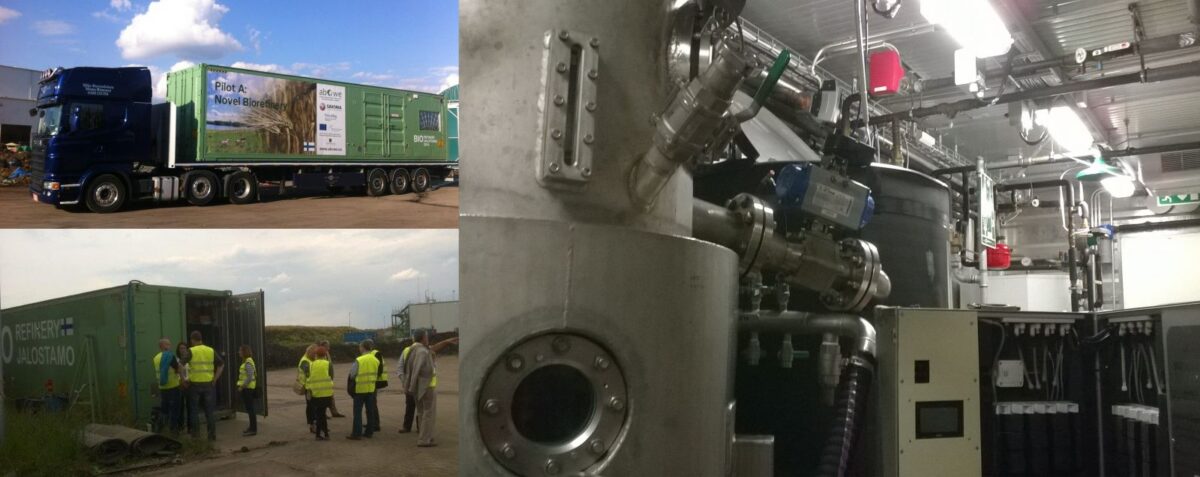
In Finland, the utilisation of forest industry side streams has been studied since the early 2000s. The ABOWE biorefinery project, part of the EU’s Baltic Sea Region program, developed a mobile biorefinery. The latter Zero Waste from Zero Fibre project in Tampere, supported by Finnish Ministry of Agriculture and Forestry, investigated the environmental impact and further use of zero fibre.
The potential for soil remediation has also been mapped in the BioResque project of the EU’s CircInWater program in 2023–2025, conducted by Elias Hakalehto. In addition, Luke has implemented projects in North Africa in collaboration with UPM.
“Research conducted in Europe and North Africa in recent years consistently suggests that combined biomass flows can restore impoverished and erosion-damaged land to a state suitable for cultivation,” says Hakalehto.
It’s not just about the harvest
According to Hakalehto, the global forest industry could play a much greater role in strengthening soil productivity and sustainability.
The industry produces tens of thousands of tons of organic side streams every year, and large amounts of biomass have accumulated at the bottom of lakes, rivers, and marine areas over decades. According to Hakalehto, these reserves contain millions of tons of potential raw materials that could support soil remediation and, at the same time, help purify waterways and ecosystems.
So far, only a small part of this resource has been utilised.
“The biggest obstacle to more widespread utilisation is not technical, but strategic. Industry and agriculture should move away from individual products towards ecosystem solutions, where side streams are seen as a resource, not waste,” says Hakalehto.
“When microbes are restored as allies of the soil, and forest industry side streams are incorporated into the nutrient cycle, the impact extends far beyond crop yields. It’s about food security, water purification, and climate action—all in one package.”