Cellulose‑based insulation offers a renewable alternative to down and synthetic fibers
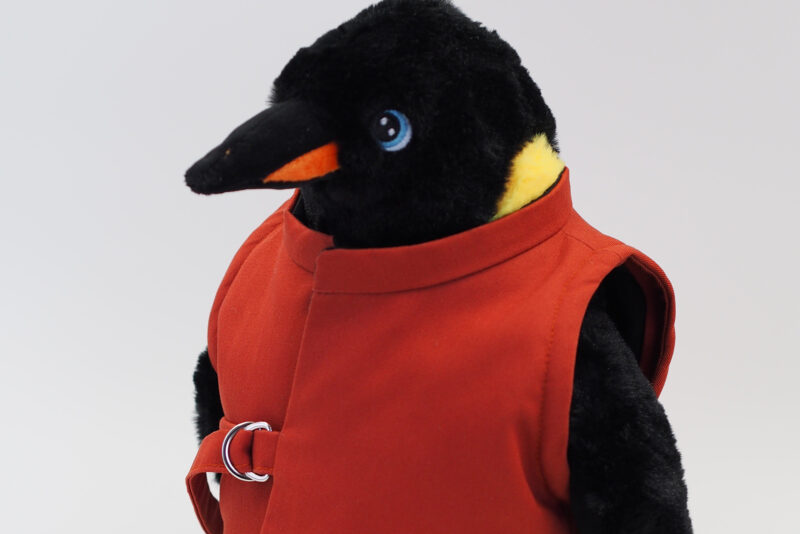
The EU Penguin project is developing cellulose‑based insulation for outdoor clothing to offer a sustainable alternative to down and synthetic fibers.
Insulation materials in outdoor apparel are undergoing a major shift. Down and synthetic fibers have long dominated the market thanks to their technical performance, but both face growing criticism: down production raises animal‑welfare concerns, while synthetic insulation relies on fossil raw materials and causes environmental impacts throughout its life cycle. This has accelerated the search for bio‑based, recyclable options.
One such initiative is the EU‑funded Penguin project, coordinated by VTT Technical Research Centre of Finland. The project develops cellulose‑based insulation materials and textile fibers for outdoor clothing. Its demonstration product, the EU‑Penguin Demo top vest, showcases what fully bio‑based and recyclable outdoor apparel could look like.
The design draws inspiration from penguin plumage, which provides exceptional thermal insulation and moisture protection in extreme conditions. The garment mimics this natural structure: a dense, water‑repellent outer fabric corresponds to the bird’s outer feathers, while the insulating inner layer is made from cellulose‑based fibers. Washability and performance are enhanced with finishes that replicate the natural fat layer found in penguin feathers, supporting both functionality and long service life.
The insulation material is based on wood‑derived textile fibers, making it renewable and bio‑based. Material and chemical safety are assessed from the outset in line with the EU’s Safe and Sustainable by Design (SSbD) principles.
Recyclability is a core design criterion. By using a monomaterial structure based on cellulose, the garment is easier to recycle at the end of its life cycle, supporting circularity and reducing dependence on fossil‑based synthetics.
Cellulose‑based insulation offers a promising response to the sustainability challenges facing the textile industry. It aligns with the growing demand for ethical, low‑impact outdoor clothing and supports the EU’s broader goal of strengthening strategic autonomy in material production.
Although still in development, the concept’s scalability and potential for wider industrial use make it a compelling example of how bio‑based innovations can challenge established materials and steer the textile sector toward more responsible production.