The cosmetics industry is highly dependent on chemicals and energy. The global market for cosmetics and their raw materials is worth over €500 billion – a figure that reflects both growing demand and a significant environmental footprint.
Much of what consumers put on their skin does not disappear. A significant proportion of cosmetic ingredients are washed away and end up in wastewater systems. Even advanced treatment plants cannot completely remove all compounds, leading to residues that accumulate in waterways and ecosystems.
So far, sustainability efforts in the industry have focused mainly on packaging—recyclable bottles, refill systems, and reduced plastic use. However, the environmental impact of cosmetics starts with their composition.
A new manufacturing method aims to solve the problem at this level.
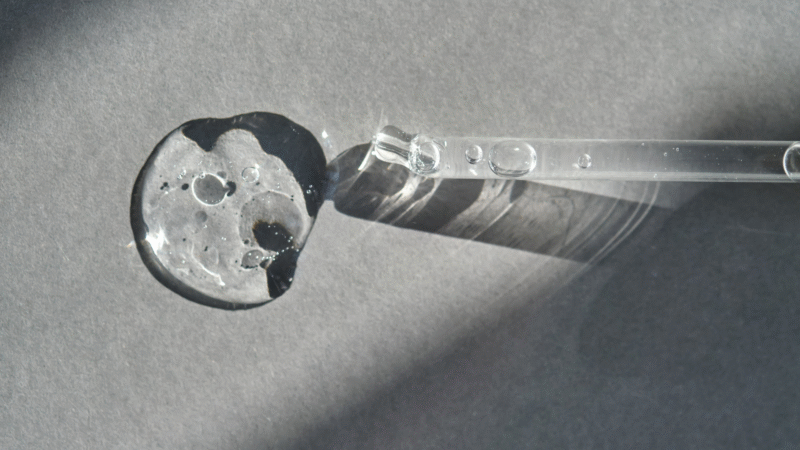
The method uses a hydrogel made from cellulose and water as the product’s basic structure. This allows manufacturers to eliminate many traditional additives, such as synthetic thickeners, stabilisers, and texture modifiers. Only the active ingredients necessary for the product’s intended function are added to the hydrogel base.
The result is a simpler composition and a streamlined production process that uses fewer chemicals.
Energy consumption is also reduced. Traditional cosmetics manufacturing often involves multi-step processing and heat-intensive steps to emulsify and stabilise ingredients. The cellulose-based method avoids many of these steps.
Since cellulose can be obtained from wood, the raw material is renewable and bio-based, reducing dependence on fossil-based chemicals.
The finished hydrogel is non-toxic and biodegradable. Cosmetics cannot be recycled in practice: they are used and washed away. It is therefore extremely important to reduce environmental and health impacts already at the manufacturing stage.
At the end of its life cycle, cellulose-based materials decompose naturally without leaving permanent residues, reducing environmental impacts during production and after use.
By simultaneously addressing chemical load, energy consumption, and fossil raw materials, the method addresses several key sustainability challenges in the industry. A simpler process can also mean lower production costs.